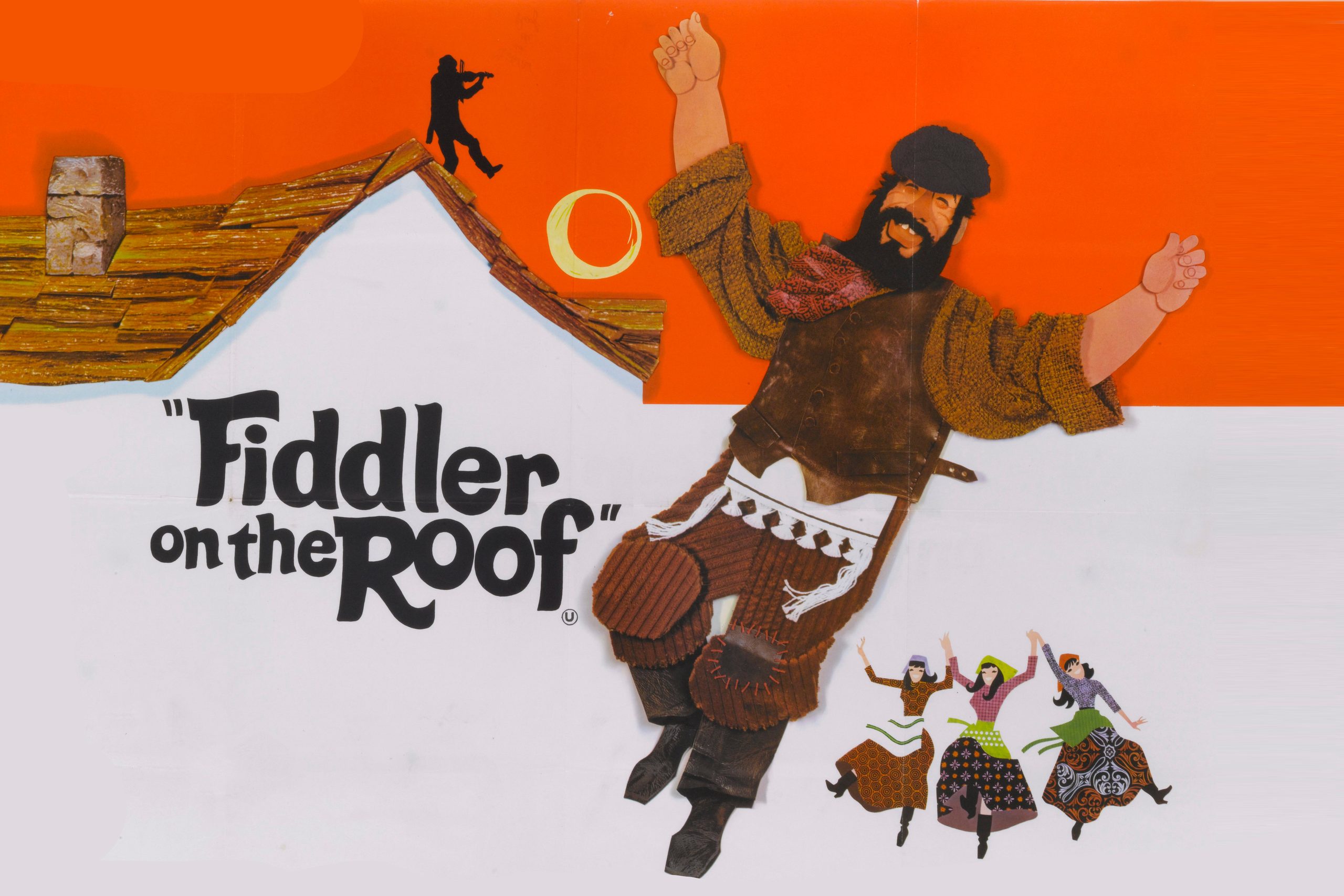
Have you ever watched Fiddler on the Roof and wondered why that lone violinist is perched so precariously above the village? You are not alone. Many viewers feel a deep emotional connection to the story but miss the profound metaphor hiding in plain sight. Understanding what does the fiddler represent in Fiddler on the Roof transforms the musical from a simple period drama into a timeless meditation on change and identity.
In this guide, we will break down the layers of meaning behind Jerome Robbins’ iconic staging and Sheldon Harnick’s lyrics. We will explore how this symbol anchors the entire narrative, helping you appreciate the artistic genius of one of Broadway’s most beloved productions.
The Core Metaphor: Tradition as a Precarious Balance
To understand the symbol, we must first look at the opening number, “Prologue: Tradition.” Here, Tevye, the milkman and protagonist, directly addresses the audience. He explains that without their traditions, their lives would be as shaky as a fiddler on the roof.
The fiddler is not just a musician; he is a visual representation of tradition itself.
Why a Fiddler?
In the shtetl (village) of Anatevka, life is hard. The characters face poverty, anti-Semitism, and the threat of expulsion. Yet, they maintain their dignity and community through strict adherence to religious and cultural customs.
The image of a fiddler playing while balancing on a sloped, tiled roof captures three essential elements of this existence:
- Difficulty: Playing the violin is hard enough on solid ground. Doing it on a roof requires immense skill and focus.
- Precarity: One wrong move, and the fiddler falls. This mirrors the fragile safety of the Jewish community in Tsarist Russia.
- Beauty: Despite the danger, the music continues. This signifies the resilience of the human spirit and the joy found within cultural heritage.
Tevye states, “You may ask, why do we stay up there if it’s so dangerous? Well, I’ll tell you why. We stay because it’s our home.” This line cements the fiddler as a symbol of endurance. The community stays on the “roof” of tradition because it is the only place they know how to live, even if it is unstable.
How Does the Fiddler Reflect Tevye’s Internal Struggle?
While the fiddler represents collective tradition, he also mirrors Tevye’s personal journey. Throughout the musical, Tevye faces challenges that threaten to knock him off his balance. Each challenge corresponds to a deviation from traditional norms.
Consider the three daughters of Tevye, whose marriages drive the plot:
- Tzeitel: Marries for love rather than arrangement, but still within the faith. Tevye bends slightly but remains balanced.
- Hodel: Marries Perchik, a radical student who is exiled to Siberia. She leaves the village. Tevye wobbles significantly but justifies it through religious interpretation.
- Chava: Marries outside the faith entirely. This is the breaking point. Tevye cannot justify this within his traditional framework. He effectively “falls” from his previous stance, disowning her to preserve his remaining spiritual balance.
The fiddler appears at key moments to remind us of this tension. When Tevye talks to God, arguing about his hardships, the fiddler is often visible in the background, playing on. It suggests that while individuals struggle, the broader scope of tradition and history continues.
The Historical Context: A World on the Brink
To fully grasp what does the fiddler represent in Fiddler on the Roof, we must look at the historical setting. The musical is set in 1905 in Imperial Russia. This was a time of immense political upheaval, pogroms, and social change.
The “roof” can be interpreted as the precarious position of Jews in Europe before the Holocaust and mass migration to America. They were tolerated but not accepted, safe only as long as they did not rock the boat too much.
According to historical analyses, the shtetl life depicted in the show was already vanishing when the book was written. Joseph Stein, the librettist, based the stories on Sholem Aleichem’s tales, which were nostalgic recollections of a lost world. The fiddler, therefore, also represents memory. He is the keeper of the past, playing a tune that is slowly fading away as the villagers are forced to leave Anatevka.
For a deeper understanding of the historical backdrop, you can refer to the detailed historical context provided by Wikipedia’s entry on Fiddler on the Roof.
Visual Storytelling: The Fiddler’s Role in Staging
Jerome Robbins, the director and choreographer, used the fiddler as a critical tool for visual storytelling. The character is not always present in the script’s dialogue, but he is almost always present on stage.
Key Staging Choices
| Scene | Fiddler’s Action | Symbolic Meaning |
|---|---|---|
| Opening | Balancing on the roof, introducing Tevye. | Establishes the central metaphor of fragile tradition. |
| Wedding Scenes | Playing joyfully among the guests. | Tradition brings community and celebration. |
| Pogrom Scene | Disappears or plays discordantly. | The collapse of safety and order. |
| Final Exit | Follows the villagers out of Anatevka. | Tradition travels with the people; it is not tied to the land. |
This consistent visual presence ensures that the audience never forgets the central theme. Even when the characters are arguing or celebrating, the fiddler reminds us of the underlying tension. He is the silent narrator of their cultural identity.
Why Does the Fiddler Leave at the End?
One of the most poignant moments is the finale. As the villagers are expelled from Anatevka, they pack their belongings. The fiddler climbs down from the roof and joins them. He does not stay behind in the empty village.
This action answers a crucial question: Is tradition tied to a place, or to the people?
The show argues that tradition is portable. While the physical home is lost, the culture survives because the people carry it with them. The fiddler walking away with Tevye and the others signifies that their identity is not defined by their geography, but by their shared history and practices.
However, there is a melancholy tone. The roof is left empty. The specific way of life in Anatevka is gone forever. The fiddler represents the resilience of culture, but also the inevitability of change.
Common Misconceptions About the Symbol
Many casual viewers miss the nuance of the symbol. Let’s clarify a few common misunderstandings.
- Misconception: The fiddler represents God.
- Reality: While Tevye speaks to God, the fiddler is a human figure. He represents human effort to maintain order, not divine intervention.
- Misconception: The fiddler is a real character in the village.
- Reality: He is a theatrical device. No other character interacts with him directly as a neighbor. He exists in a meta-theatrical space.
- Misconception: The song “If I Were a Rich Man” is about greed.
- Reality: It is about dignity. Tevye wants respect, not just money. The fiddler’s presence during these songs highlights the contrast between material poverty and spiritual richness.
FAQ Section
1. What is the main message of Fiddler on the Roof?
The main message is the tension between tradition and change. It explores how individuals and communities adapt to modernity while trying to preserve their cultural identity. It shows that while change is inevitable, tradition provides the stability needed to navigate it.
2. Who wrote the music for Fiddler on the Roof?
The music was composed by Jerry Bock, with lyrics by Sheldon Harnick. The book was written by Joseph Stein. Their collaboration created a score that perfectly blends Jewish folk motifs with Broadway sensibilities, enhancing the symbolic weight of the fiddler.
3. Why is the fiddler on the roof dangerous?
It is dangerous because roofs are steep, slippery, and narrow. Playing a violin requires both hands and intense concentration, leaving no room for error. This physical danger mirrors the social and political dangers faced by the Jewish community in Tsarist Russia.
4. Does the fiddler appear in every scene?
No, he does not appear in every single scene, but he is present in most major musical numbers and transitional moments. His appearances are strategically placed to reinforce the theme of tradition during key emotional beats.
5. How does the ending of the musical relate to the fiddler?
In the ending, the fiddler leaves the roof and walks away with the villagers. This signifies that tradition is not static or tied to a specific location. It moves with the people, suggesting hope for the future despite the loss of their home.
6. Is Fiddler on the Roof based on a true story?
It is based on the stories of Sholem Aleichem, particularly Tevye the Dairyman. While Tevye is a fictional character, the experiences reflect the real historical struggles of Jewish communities in Eastern Europe in the early 20th century.
Conclusion
Understanding what does the fiddler represent in Fiddler on the Roof enriches your viewing experience immensely. He is not just a decorative element; he is the heart of the musical’s thematic structure. He symbolizes the delicate balance of tradition, the resilience of a persecuted community, and the portable nature of cultural identity.
By watching the fiddler, we see our own struggles with change and heritage reflected back at us. Whether you are a fan of Broadway, a student of literature, or someone exploring their own roots, this symbol offers a powerful lens through which to view the human experience.
Did this analysis help you see the musical in a new light? Share this article with your friends on social media and start a conversation about the power of tradition in today’s rapidly changing world.