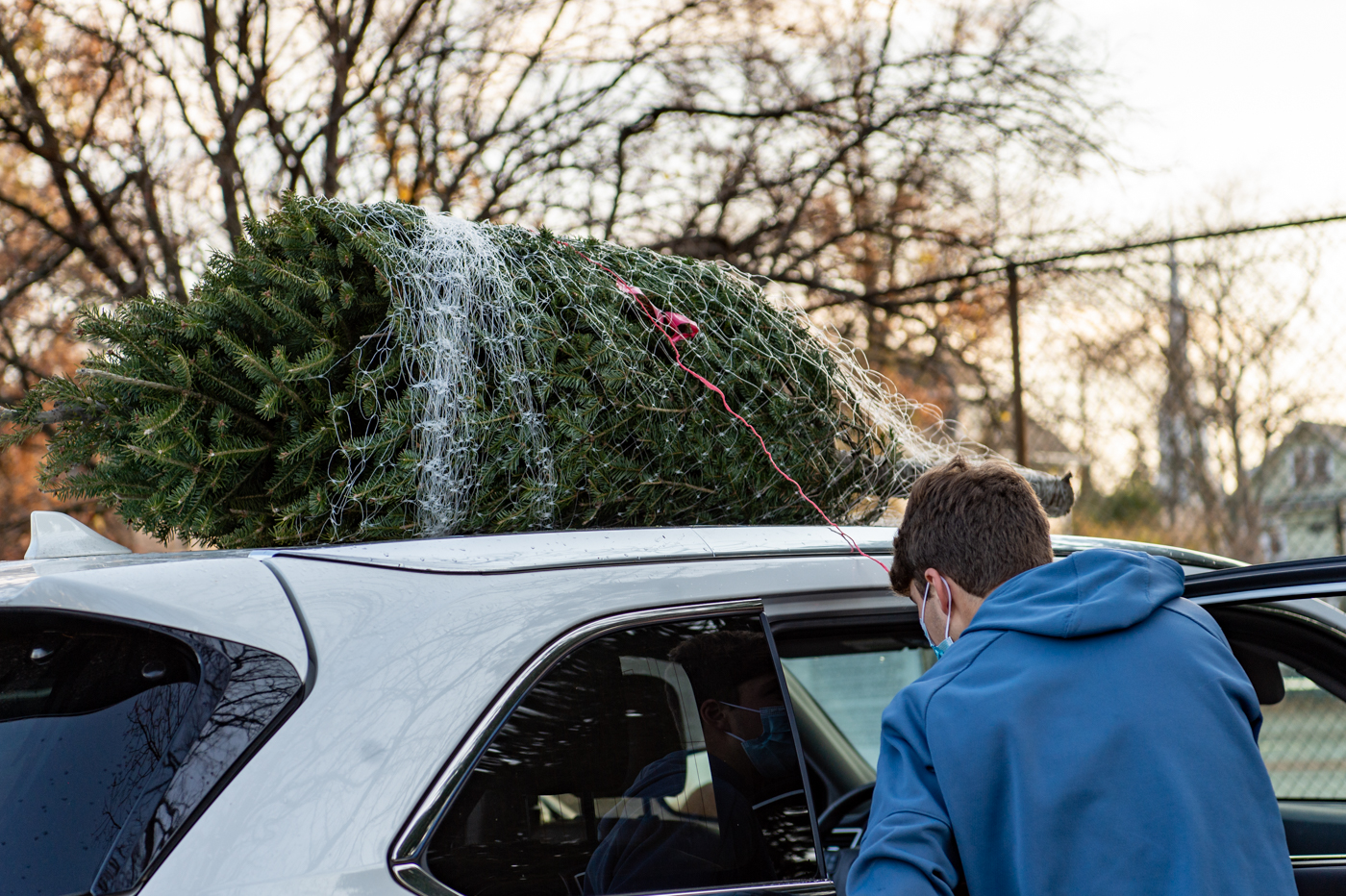
The holiday season is here, and you’ve finally found the perfect Fraser fir at the local lot. But there’s a snag: your SUV doesn’t have a roof rack, and you’re wondering how to tie a Christmas tree to car without roof rack. It’s a common dilemma that causes unnecessary stress for many American families every December.
Don’t worry; you don’t need expensive equipment or a professional mover to get your tree home safely. With the right technique and a few basic supplies, you can secure your tree firmly to your vehicle’s roof. This guide will walk you through the process step-by-step, ensuring your tree—and your car—arrive home intact.
Why Securing a Tree Properly Matters
Before we dive into the knots, it is crucial to understand the stakes. An unsecured tree is not just an inconvenience; it is a significant road hazard. According to traffic safety data, loose debris on highways causes thousands of accidents annually. A 6-foot pine tree weighing 50 pounds becomes a dangerous projectile at 60 mph.
Furthermore, improper tying can damage your vehicle’s paint, door seals, and roof structure. By following proper protocols, you protect your investment and ensure the safety of other drivers. This approach aligns with best practices recommended by automotive safety experts who emphasize that securement is about friction and tension, not just knotting rope.
What Supplies Do You Need?
You might think you need specialized gear, but most items are likely already in your garage or trunk. Here is a checklist of essentials:
- Heavy-Duty Rope: Use polypropylene or nylon rope (at least ½ inch thick). Avoid bungee cords as they can stretch and loosen over time.
- Protective Blanket or Tarp: To protect your car’s paint from branches and sap.
- Work Gloves: Pine needles are sharp, and rope burn is real.
- Scissors or Knife: For trimming excess rope.
- Assistant: While not a “supply,” having a second person makes this task 100% easier and safer.
Pro Tip: If you don’t have rope, heavy-duty ratchet straps are an excellent alternative. They provide consistent tension and are less prone to slipping than traditional knots.
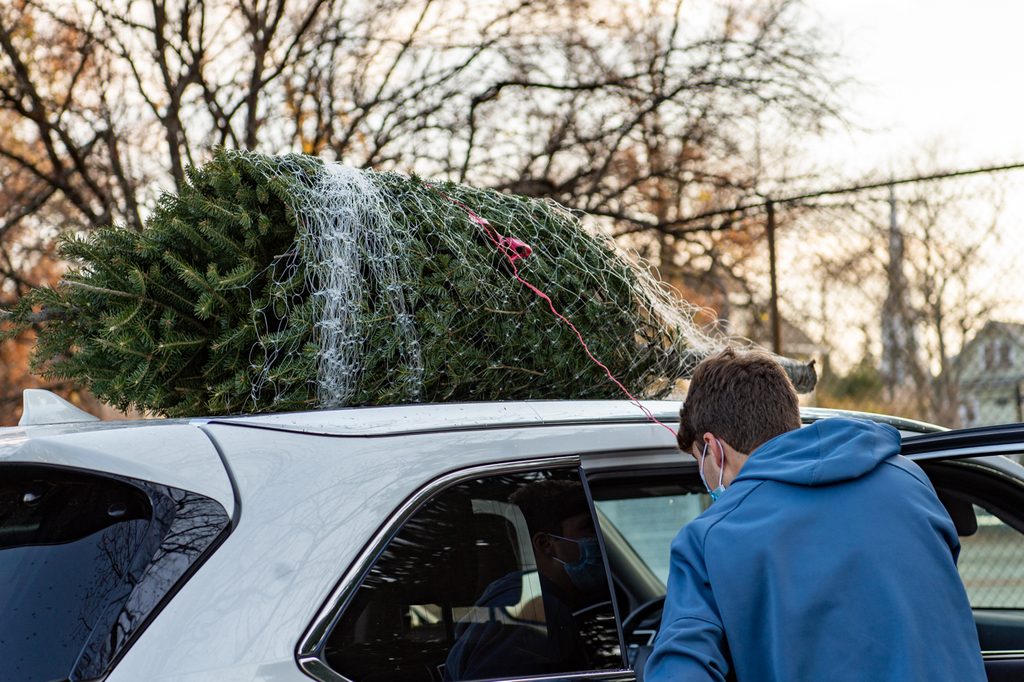
Step-by-Step Guide: How to Tie a Christmas Tree to Car Without Roof Rack
Follow these precise steps to ensure your tree stays put.
Step 1: Prepare the Tree
Most tree lots will wrap the base for you. If not, wrap the bottom tightly with twine to keep branches compact. A compact tree creates less wind resistance and is easier to secure. Measure the tree to ensure it isn’t longer than your vehicle’s roof plus a reasonable overhang (usually no more than 3–4 feet beyond the rear bumper, depending on local laws).
Step 2: Protect Your Vehicle
Lay a thick blanket, moving pad, or tarp across the roof of your car. This layer serves two purposes: it prevents scratches from rough bark and provides a slightly grippier surface than smooth metal or glass. Ensure the blanket covers the area where the trunk will rest and where ropes will touch the paint.
Step 3: Position the Tree Correctly
This is the most critical step. Place the tree upside down on the roof.
- Why upside down? The trunk is the strongest part of the tree. By placing the trunk forward (towards the windshield) and the leafy top towards the rear, you allow the aerodynamic force of the wind to push the tree down onto the roof rather than lifting it up.
- Align the trunk so it rests securely against the windshield frame or the front edge of the roof. Do not let the trunk hang freely over the hood.
Step 4: Thread the Ropes Through the Car
Since you don’t have a roof rack, you must use the car’s interior as an anchor point.
- Open all four doors of your vehicle.
- Throw one end of the rope over the tree and into the car on one side.
- Pull it across the interior ceiling (headliner) and out the opposite door.
- Repeat this with a second rope near the rear of the tree.
Note: Be careful not to pinch the rope in the door seals too tightly, as this can damage the weather stripping. Close the doors gently but firmly.
Step 5: Tie Secure Knots
Now, secure the ropes on the outside.
- Use a Trucker’s Hitch or a Bowline knot. These knots are non-slip and can be tightened significantly.
- Pull the rope tight. You want the tree to compress slightly into the blanket. There should be no wiggle room.
- If using ratchet straps, thread them through the car and tighten until the strap is taut. Do not overtighten to the point of denting the roof.
Step 6: Secure the Front and Back
To prevent lateral movement (side-to-side), tie a separate rope from the front of the tree trunk to a solid anchor point under the hood (like the engine block brace or a designated tow hook). Do the same for the rear, attaching the tail of the tree to the trunk hitch or a solid rear anchor. This creates a triangular stability system.
People Also Ask: Common Questions Answered
Can I use bungee cords instead of rope?
While convenient, bungee cords are not recommended for primary securement. They are elastic, meaning vibrations from the road can cause them to loosen or snap. If you must use them, use them only as secondary support alongside rigid rope or straps. For more details on cargo safety standards, you can refer to general transportation guidelines on Wikipedia.
How fast can I drive with a tree on my roof?
Keep your speed below 50 mph (80 km/h). High speeds increase wind lift, which can compromise even the best knots. Additionally, sudden braking or acceleration can shift the tree’s center of gravity. Drive smoothly and avoid highway speeds if possible.
Is it legal to have a tree hanging out of my car?
Laws vary by state in the US. Generally, if the tree extends more than 3–4 feet beyond the rear bumper, you must attach a red flag to the end of the tree during daylight hours. At night, a red light is required. Check your local Department of Motor Vehicles (DMV) regulations to avoid fines.
What if my car has a sunroof?
If your car has a sunroof, do not close it with the rope running through it. The pressure can crack the glass or damage the mechanism. Instead, route the rope around the sunroof frame or use the door method exclusively. If the sunroof is large, consider using the trunk and hood anchors primarily, minimizing roof contact.
Comparison: Rope vs. Straps vs. Bungee Cords
| Feature | Nylon/Poly Rope | Ratchet Straps | Bungee Cords |
|---|---|---|---|
| Security | High (if knotted correctly) | Very High | Low |
| Ease of Use | Moderate (requires skill) | Easy | Very Easy |
| Risk of Damage | Low (with blanket) | Low | Medium (snap back) |
| Reusability | High | High | Low (elastic degrades) |
| Best For | Traditionalists | Beginners/Pros | Secondary support only |
Final Safety Check Before You Drive
Before you pull out of the parking lot, perform this quick inspection:
- The Shake Test: Grab the tree and shake it vigorously. If it moves, it’s not tight enough.
- Visual Inspection: Walk around the car. Ensure no branches are obstructing your view or hitting the ground.
- Knot Check: Verify that all knots are tight and the ends are tucked away so they don’t flap in the wind.
- Flag It: Attach a bright red flag to the rear tip of the tree if it overhangs significantly.
Drive the first few miles cautiously. Stop after 5–10 minutes to re-check the tension. Ropes often settle and loosen slightly after initial exposure to wind and vibration.
FAQ Section
Q: Can I tie the tree to the side mirrors? A: No. Side mirrors are fragile and not designed to bear weight. Tying a tree to them will likely break the mirror housing and compromise your visibility. Always use the car’s frame, doors, or engine bay anchors.
Q: What if it starts raining or snowing? A: Wet trees are heavier, and wet rope can slip more easily. If precipitation is expected, check your knots more frequently. Synthetic ropes (nylon/poly) handle moisture better than natural fiber ropes like hemp, which can rot or stretch when wet.
Q: How do I get the tree off without making a mess? A: Have a vacuum cleaner ready inside your garage. When untying, keep the tree wrapped until you are outside. Shake the tree gently before bringing it indoors to dislodge loose needles.
Q: Is it better to put the tree in the trunk? A: If your vehicle is a hatchback, SUV, or minivan with enough space, putting the tree inside is always safer and cleaner. However, for sedans or smaller cars, the roof method described above is the standard solution. Ensure the trunk lid can close fully without crushing the branches.
Q: What kind of rope thickness is ideal? A: A diameter of ½ inch (12mm) is ideal. It is strong enough to hold the weight but flexible enough to tie tight knots. Thinner ropes may cut into the tree bark or your hands, while thicker ropes are difficult to knot securely.
Conclusion
Learning how to tie a Christmas tree to car without roof rack is a valuable skill that saves money and ensures a safe holiday journey. By positioning the tree upside down, protecting your paint, and using the correct knots, you can transport your festive centerpiece with confidence. Remember, patience and double-checking your work are key to avoiding roadside disasters.
Once you’ve successfully secured your tree, take a moment to appreciate the effort. You’re not just transporting a plant; you’re bringing home the heart of your holiday celebrations.
Did you find this guide helpful? Share this article with your friends and family on social media to help them avoid holiday transport headaches. Stay safe, drive slowly, and have a wonderful Christmas!