Have you ever walked into a party where the energy was low, only to have the atmosphere instantly transform when a specific bassline dropped? That is the undeniable power of funk music, and no track embodies this kinetic energy quite like the anthem that commands listeners to Tear The Roof Off The Sucker Give Up The Funk. For music lovers, historians, and casual listeners alike, understanding the context behind this phrase is not just about knowing lyrics; it is about appreciating a pivotal moment in American cultural history.
This article dives deep into the origins, meaning, and lasting legacy of this iconic slogan. We will explore how George Clinton and Parliament turned a simple command into a musical revolution that still influences artists today. Whether you are a musician looking for inspiration or a fan wanting to know more about the groove, this guide covers everything you need to know.
What Is the Origin of “Tear The Roof Off The Sucker”?
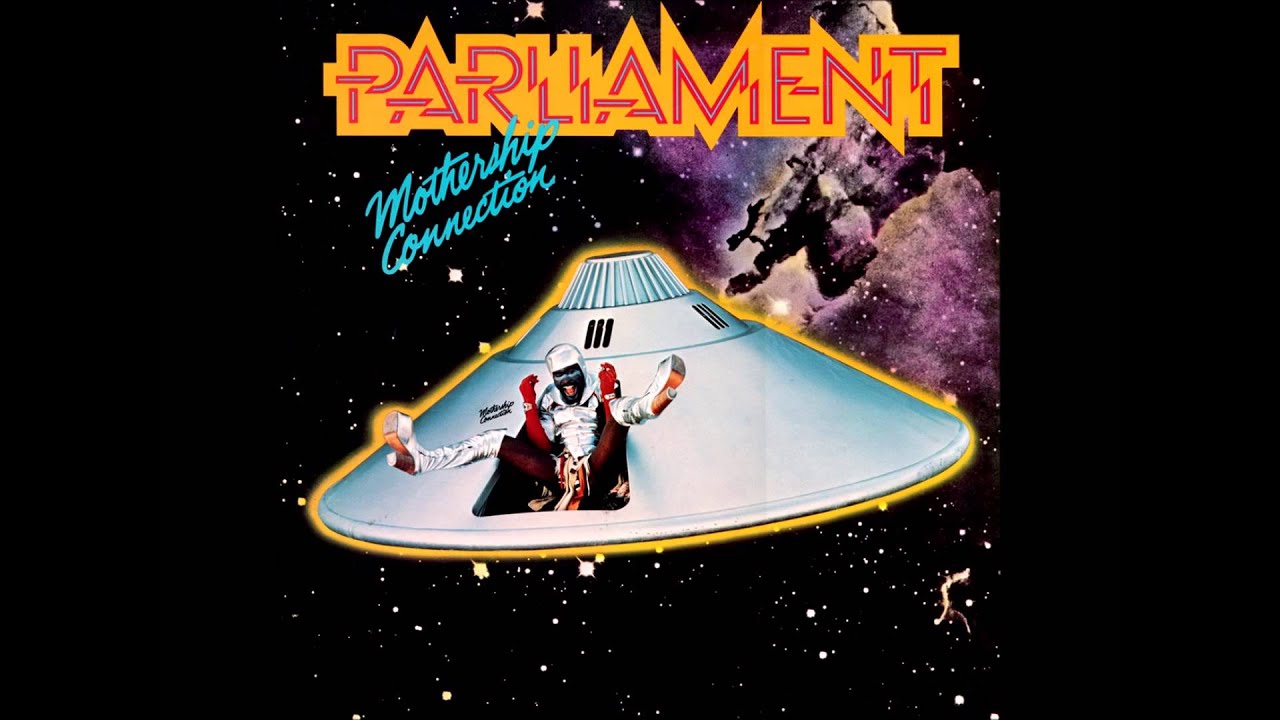
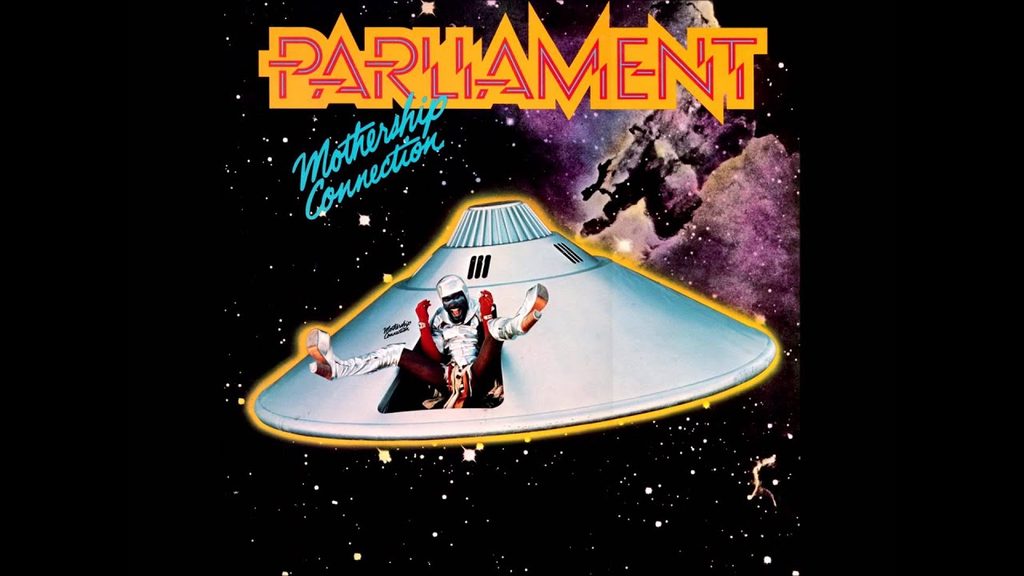
To understand the phrase, we must first look at the source. The line comes from the song “Give Up the Funk (Tear the Roof off the Sucker)”, released in 1975 by the legendary funk band Parliament. It was featured on their album Mothership Connection, which is widely considered one of the greatest funk albums of all time.
The song was written and produced by George Clinton, the mastermind behind the P-Funk empire. Clinton was not just creating music; he was building a mythology. The P-Funk universe involved spaceships, aliens, and a distinct aesthetic that challenged the norms of the 1970s music industry.
The Lyrical Breakdown
The title itself is a combination of two imperative commands:
- “Give Up the Funk”: A demand to release the groove, to let go of inhibitions, and to embrace the rhythm.
- “Tear the Roof Off the Sucker”: A hyperbolic metaphor for dancing so hard and with such intensity that the physical structure of the venue cannot contain the energy.
In the context of the 1970s, “sucker” was a colloquial term often used affectionately or dismissively depending on tone, but here it refers to the venue or the situation itself. The phrase suggests an explosive release of energy that is uncontrollable and joyous.
Why Did This Song Become a Cultural Phenomenon?
The success of “Give Up the Funk” was not accidental. It arrived at a time when African American music was transitioning from the soulful introspection of the early 70s to the disco-infused dance floors of the late 70s. Parliament stood firmly in the middle, creating a bridge that was raw, gritty, and undeniably funky.
Statistical Impact and Chart Performance
While exact sales figures from the 1970s can be fragmented, the song’s impact is measurable through its longevity and sampling history.
- Chart Success: The single reached #15 on the Billboard Hot 100 and #1 on the Billboard R&B chart.
- Certification: The album Mothership Connection was certified Platinum by the RIAA, a significant achievement for a funk band at the time.
- Sampling Legacy: According to data from music licensing databases, this track has been sampled over 200 times by hip-hop and electronic artists, including Dr. Dre, Ice Cube, and Red Hot Chili Peppers.
The song resonated because it was inclusive. Unlike some disco tracks that felt polished and exclusive, P-Funk was messy, loud, and welcoming. It invited everyone to participate in the ritual of the groove.
How Does the Music Theory Support the “Funk”?
For musicians and audio enthusiasts, the magic of “Tear The Roof Off The Sucker” lies in its composition. It is a masterclass in syncopation and space.
Key Musical Elements
- The Bassline: Played by Bootsy Collins, the bass is not just a supporting instrument; it is the lead voice. It uses heavy syncopation, emphasizing off-beats to create a “stuttering” effect that forces the body to move.
- The Horn Section: The brass hits are sharp and staccato. They do not sustain notes; they punch them. This creates a rhythmic counterpoint to the smooth vocals.
- Vocal Delivery: George Clinton’s vocals are half-sung, half-chanted. This conversational style makes the listener feel like they are part of the band, not just an observer.
| Element | Role in the Song | Effect on Listener |
|---|---|---|
| Bass Guitar | Melodic & Rhythmic Foundation | Creates the physical urge to dance |
| Drums | Tight, dry snare sound | Provides a crisp, driving pulse |
| Keyboards | Wah-wah pedal effects | Adds texture and psychedelic flair |
| Vocals | Call-and-response format | Encourages audience participation |
This combination creates what musicologists call “the pocket”—a groove so tight that it feels inevitable. When Clinton sings to Tear The Roof Off The Sucker Give Up The Funk, the music physically supports the command.
What Is the Legacy of P-Funk in Modern Music?
The influence of Parliament and Funkadelic extends far beyond the 1970s. The philosophy of “giving up the funk” has become a cornerstone of modern genres, particularly Hip-Hop and Neo-Soul.
The Hip-Hop Connection
Hip-hop producers in the 1980s and 1990s discovered that P-Funk records were goldmines for samples. The isolated drum breaks and basslines provided the perfect backbone for rap verses. Artists like Dr. Dre utilized the G-Funk style, which is directly descended from George Clinton’s synthesizer-heavy productions.
“P-Funk was the original sample library. It was complex, layered, and full of attitude. You didn’t just listen to it; you studied it.” — Music Producer Commentary
Neo-Soul and Contemporary R&B
Modern artists like Bruno Mars, Anderson .Paak, and Thundercat frequently cite Parliament as a primary influence. Their use of live instrumentation, retro aesthetics, and focus on groove over digital perfection is a direct homage to the era of “Tear the Roof Off.”
For those interested in the broader historical context of funk music and its sociological impact, Wikipedia’s entry on Funk provides a comprehensive overview of the genre’s evolution.
How Can You Recreate the Funk Experience Today?
You do not need a time machine to experience the energy of 1975. Here is a step-by-step guide to bringing the P-Funk spirit into your modern life, whether you are hosting a party or just curating a playlist.
- Curate the Right Playlist: Start with Mothership Connection. Follow it up with Funkadelic’s One Nation Under a Groove. Ensure the transition between songs maintains high energy.
- Optimize Audio Quality: Funk relies on low-end frequencies. Use speakers or headphones with strong bass response. If using a streaming service, select the “High Quality” or “Lossless” option to hear the nuance in Bootsy Collins’ bass playing.
- Set the Lighting: P-Funk was visual. Use warm, dim lighting with occasional flashes of color. The goal is to create an immersive environment, not a brightly lit room.
- Encourage Participation: The essence of “Give Up the Funk” is community. Do not be a passive listener. Engage with the music, dance, and encourage others to let go of their inhibitions.
FAQ Section
1. Who originally sang “Tear the Roof Off the Sucker”?
The song was performed by Parliament, led by George Clinton. The lead vocals on the track are shared among several members of the collective, including Ray Davis and Fuzzy Haskins, creating a rich, layered vocal texture.
2. What does “Give Up the Funk” actually mean?
It is a call to surrender to the rhythm. In the P-Funk philosophy, “funk” is a positive, liberating force. To “give it up” means to stop resisting the groove and allow yourself to be moved by the music emotionally and physically.
3. Is “Tear the Roof Off the Sucker” the full title of the song?
No, the official title is “Give Up the Funk (Tear the Roof off the Sucker)”. However, due to the catchy nature of the parenthetical phrase, it is often referred to colloquially by both parts.
4. Why is Parliament considered different from other funk bands?
Parliament, along with its sister group Funkadelic, created a conceptual universe known as P-Funk. They combined funk music with science fiction themes, elaborate costumes, and a large collective of musicians. This theatrical approach set them apart from more traditional funk bands like James Brown’s ensemble.
5. Can I use this song in my YouTube video?
Using copyrighted music like “Give Up the Funk” typically requires a license. While short clips may fall under fair use in some educational contexts, it is risky. It is best to check with YouTube’s audio library or obtain proper licensing through a rights management agency to avoid copyright strikes.
6. What instrument defines the sound of this track?
While the horns are iconic, the bass guitar is the defining instrument. Bootsy Collins’ use of the Mu-Tron Octave Divider pedal gave his bass a synthesized, bubbling sound that became a signature of the P-Funk style.
Conclusion
The command to Tear The Roof Off The Sucker Give Up The Funk is more than just a lyric; it is a cultural invitation to joy, freedom, and community. Born from the creative genius of George Clinton and Parliament, this anthem transcended its era to become a timeless piece of musical history. Its influence is heard in the beats of modern hip-hop, the grooves of neo-soul, and the playlists of parties worldwide.
By understanding the history and theory behind the track, we appreciate not just the sound, but the spirit of innovation it represents. So, the next time you hear that distinctive bassline, remember the legacy. Don’t just listen—participate. Let loose, embrace the groove, and truly give up the funk.
If you enjoyed this deep dive into funk history, share this article with your fellow music lovers on social media. Let’s keep the rhythm alive!