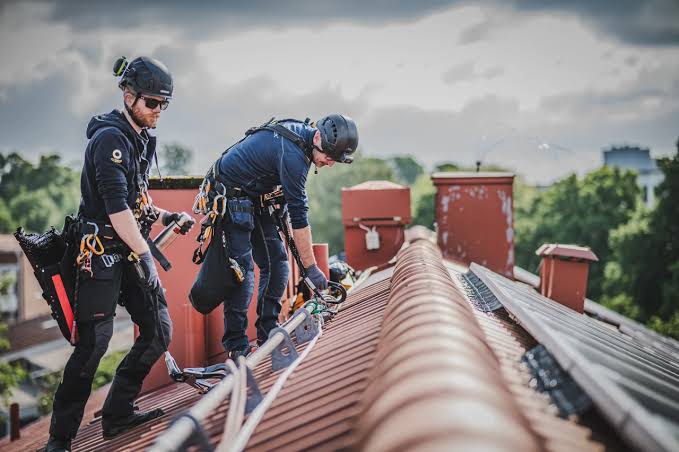
Falling from heights remains one of the leading causes of fatal injuries in the construction and maintenance industries. It is a terrifying reality that no employer wants to face, yet the risks are ever-present when personnel are working on the roof or upper stories. Understanding how to mitigate these dangers is not just about following rules; it is about ensuring every worker returns home safely to their family at the end of the day.
In this comprehensive guide, we will break down the essential safety measures, legal requirements, and best practices for high-altitude work. Whether you are a site manager, a safety officer, or a business owner, this article provides the actionable insights you need to create a secure working environment.
Why Is Fall Protection Critical at Heights?
Gravity is unforgiving. In the United States, the Occupational Safety and Health Administration (OSHA) consistently lists falls as the number one cause of death in construction, often referred to as part of the “Fatal Four.”
According to recent Bureau of Labor Statistics (BLS) data, hundreds of workers die annually from falls to a lower level. These incidents are not just statistics; they represent lost lives, devastated families, and significant financial liabilities for businesses.
When workers are elevated, even a minor slip can have catastrophic consequences. The height does not need to be extreme to cause severe injury. A fall from just six feet can result in permanent disability or death. Therefore, implementing robust fall protection systems is not optional—it is a moral and legal imperative.
What Are the OSHA Requirements for Roof Work?
Compliance with federal regulations is the baseline for safety. OSHA has specific standards depending on the industry (General Industry vs. Construction). For most roofing tasks, 29 CFR 1926 Subpart M applies.
Key Thresholds
- Construction Industry: Fall protection is required at 6 feet or more above a lower level.
- General Industry: Fall protection is typically required at 4 feet or more.
Acceptable Systems
OSHA mandates that employers must provide one of the following systems when personnel are working on the roof or upper stories:
- Guardrail Systems: Physical barriers that prevent workers from reaching the edge.
- Safety Net Systems: Installed below the work area to catch falling workers.
- Personal Fall Arrest Systems (PFAS): Harnesses and lanyards that stop a fall after it occurs.
It is crucial to note that “warning lines” alone are often insufficient for steep-slope roofs or work near the edge without additional protection. Always consult the specific OSHA standard relevant to your job type. For a deeper understanding of regulatory history and global standards, you can refer to Wikipedia’s page on Occupational Safety and Health.
How to Choose the Right Fall Protection System
Not all roofs are the same, and neither are the safety solutions. Choosing the right system depends on the roof’s slope, material, and duration of work.
Comparison of Common Systems
| System Type | Best For | Pros | Cons |
|---|---|---|---|
| Guardrails | Long-term projects, flat roofs | Passive protection; no training needed for use | Expensive to install; obstructive |
| PFAS (Harness) | Short-term repairs, steep slopes | Portable; flexible movement | Requires training; rescue plan needed |
| Safety Nets | Steel erection, large open areas | Catches multiple workers; low impact | Difficult to install; requires clearance |
| Ladder Safety | Access points | Simple; cost-effective | Only protects during ascent/descent |
Expert Insight
John Smith, a certified safety professional with over 15 years in industrial hygiene, states, “The best fall protection is the one that workers will actually use. If a harness is uncomfortable or restricts movement too much, workers may bypass it. Ergonomics matter as much as engineering.”
Step-by-Step Guide to Implementing Safety Protocols
Implementing safety is a process, not a one-time event. Follow these steps to ensure compliance and safety when personnel are working on the roof or upper stories.
Step 1: Conduct a Hazard Assessment
Before any work begins, walk the site. Identify:
- Skylights (which must be guarded or covered).
- Weak roof surfaces.
- Electrical hazards nearby.
- Weather conditions (wind, rain, ice).
Step 2: Select and Inspect Equipment
Choose the appropriate PPE. Before each use, inspect harnesses for:
- Frayed webbing.
- Cracked D-rings.
- Broken stitches.
- Note: If any defect is found, remove the equipment from service immediately.
Step 3: Train Your Team
Training is mandatory. Workers must know:
- How to don a harness correctly.
- Where the anchor points are.
- The maximum arresting force limits.
Step 4: Establish a Rescue Plan
This is often overlooked. If a worker falls and is suspended in a harness, they can suffer from suspension trauma within minutes. You must have a plan to retrieve them quickly.
- Keep rescue kits on-site.
- Ensure at least two people are trained in rescue procedures.
Step 5: Monitor and Enforce
Safety is an ongoing culture. Supervisors must actively monitor compliance. Correct unsafe behaviors immediately and positively reinforce safe practices.
What Are the Common Hazards Beyond Falling?
While falls are the primary concern, other hazards exist when personnel are working on the roof or upper stories.
1. Falling Objects
Tools or materials dropped from a height can kill or injure people below.
- Solution: Use tool lanyards and establish exclusion zones below the work area.
2. Weather Conditions
Wind can destabilize workers on high edges. Rain makes surfaces slippery.
- Solution: Monitor weather forecasts. Halt work if wind speeds exceed safe limits (typically 20-25 mph for ladder work, but varies by task).
3. Electrical Hazards
Roofs often have HVAC units, solar panels, or nearby power lines.
- Solution: Maintain safe distances from power lines (at least 10 feet) and de-energize circuits when possible.
How to Handle Emergency Situations
Despite best efforts, accidents can happen. Being prepared reduces the severity of the outcome.
- Stay Calm: Panic leads to poor decisions.
- Assess the Victim: Check for consciousness and breathing. Do not move them unless there is immediate danger (e.g., fire).
- Call Emergency Services: Provide exact location details.
- Execute Rescue Plan: If the worker is suspended, use the pre-planned method to lower them safely. Avoid cutting the harness line unless absolutely necessary, as this can cause further injury.
FAQ Section
1. Do I need fall protection for short-duration tasks?
Yes. OSHA does not provide an exemption for short-duration tasks. If you are working at heights above the threshold (6 feet for construction), you must have protection, regardless of how long the task takes.
2. Can I use a ladder instead of a harness?
Ladders are for access, not for working positions. If you are working from a ladder, it must be secured. However, if you are moving across a roof, a ladder is not sufficient protection. You need a PFAS or guardrail system.
3. What is suspension trauma?
Suspension trauma, also known as orthostatic intolerance, occurs when a fallen worker hangs in a harness. Blood pools in the legs, reducing blood flow to the brain. It can be fatal within 10–30 minutes. This is why a rescue plan is critical.
4. Who is responsible for providing safety equipment?
The employer is legally responsible for providing, maintaining, and paying for all necessary personal protective equipment (PPE). Employees cannot be charged for required safety gear.
5. How often should fall protection equipment be inspected?
Equipment should be inspected by the user before each use. Additionally, a competent person should perform a formal inspection at least annually, or more frequently if recommended by the manufacturer.
6. Are skylights considered a fall hazard?
Absolutely. Skylights are fragile and can break under weight. They must be protected with guards, screens, or covers capable of supporting twice the weight of an employee.
Conclusion
Ensuring safety when personnel are working on the roof or upper stories is a complex but achievable goal. It requires a combination of the right equipment, thorough training, and a strong safety culture. By adhering to OSHA guidelines and prioritizing the well-being of your team, you protect not only your workforce but also the integrity of your business.
Remember, safety is not a box to check; it is a value to live by. Take the time to assess your site, train your team, and implement robust fall protection systems today.
Did you find this guide helpful? Share it with your colleagues and network on LinkedIn or Twitter to help spread awareness about roof safety. Let’s work together to make every workplace safer.