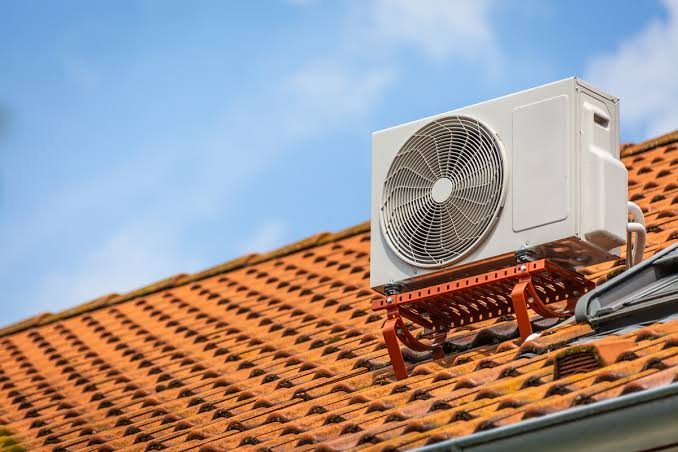
If you have ever driven through Phoenix or Tucson, you have likely noticed a distinct architectural feature: large, boxy metal units perched atop residential and commercial buildings. It is a curious sight for newcomers, leading many to ask, why are air conditioning units on the roof in Arizona? The answer lies in a unique combination of extreme heat management, space optimization, and local building codes that differ significantly from other parts of the United States.
For homeowners in the Grand Canyon State, understanding this setup is not just about curiosity; it is about maintenance, efficiency, and protecting your investment. In this guide, we will break down the engineering logic behind rooftop ACs, debunk common myths, and help you decide if this system is right for your property.
The Space-Saving Advantage in Dense Urban Areas
One of the primary drivers for rooftop installations is real estate value. In cities like Phoenix, Scottsdale, and Mesa, land is at a premium. Traditional ground-mounted split systems require a significant footprint in your backyard or side yard. This equipment needs clearance for airflow and maintenance access, which can eat up valuable outdoor living space.
By moving the condenser unit to the roof, homeowners reclaim their yard. This is particularly beneficial for:
- Small Lot Homes: Where every square foot of garden or patio matters.
- Commercial Buildings: Which often lack peripheral space due to parking lots or adjacent structures.
- Aesthetic Preferences: Many residents prefer not to look at noisy, industrial-looking machinery while enjoying their backyard barbecue.
This vertical utilization of space allows for better landscape design and keeps the “mechanical eyesore” out of sight and out of mind.
Enhanced Security and Vandalism Protection
Arizona’s urban centers have grown rapidly, and with density comes security concerns. Ground-level AC units are vulnerable to theft, vandalism, and accidental damage. Copper coils, in particular, are a target for thieves due to their scrap metal value.
Placing the unit on the roof adds a natural layer of security. It is significantly harder for opportunistic thieves to access a heavy unit situated 15 or 20 feet in the air. For business owners in downtown Phoenix, this reduces insurance premiums and the risk of costly repairs due to malicious damage. While not entirely theft-proof, the difficulty of access acts as a strong deterrent compared to a unit sitting openly in an alleyway.
Efficiency and Airflow in the Desert Heat
There is a common misconception that rooftop units are less efficient because they are closer to the sun. However, when installed correctly, they can offer superior performance in Arizona’s specific climate.
Better Air Intake Quality
Ground-level units often struggle with dust, sand, and debris kicked up by wind or lawn maintenance. In Arizona, where dust storms (haboobs) are frequent, ground units can clog quickly. Rooftop units generally enjoy cleaner air intake, as dust settles closer to the ground. This means:
- Less Frequent Cleaning: Coils stay cleaner for longer periods.
- Improved Airflow: Unobstructed intake leads to better heat exchange.
- Longer Lifespan: Reduced strain on the fan motors and compressors.
Thermal Dynamics
While the roof surface gets hot, modern installation practices include raised curbs and insulation barriers that prevent heat transfer from the roof deck to the AC unit. Furthermore, hot air rises. By placing the exhaust high above the ground, the unit expels hot air into an area where it can dissipate more easily, rather than recirculating it in a confined backyard space.
Structural Integrity and Installation Standards
You might wonder, “Can my roof hold that weight?” This is a valid concern. In Arizona, building codes are strict regarding rooftop HVAC installations. Engineers must calculate the load-bearing capacity of the roof structure before approval.
Typically, these units are placed over load-bearing walls or reinforced beams. The installation involves:
- Steel Curbs: To elevate the unit and provide a stable base.
- Flashing and Sealants: To prevent water leaks around the penetration points.
- Vibration Isolators: To prevent the humming of the compressor from transferring into the living space below.
According to general engineering principles outlined in resources like Wikipedia’s entry on HVAC, proper structural support is critical for any rooftop mechanical equipment to ensure safety and longevity. In Arizona, licensed contractors are well-versed in these requirements, ensuring that your roof remains structurally sound despite the added weight.
Maintenance Challenges: The Trade-Off
While there are clear benefits, rooftop AC units come with specific maintenance challenges that Arizona homeowners must accept. You cannot simply walk outside and hose down the coils. Servicing these units requires specialized equipment and trained professionals.
| Feature | Ground-Mounted Unit | Rooftop Unit |
|---|---|---|
| Accessibility | Easy for DIY cleaning | Requires professional ladder/lift |
| Security | Low (vulnerable to theft) | High (hard to reach) |
| Space Usage | Consumes yard space | Saves yard space |
| Noise Level | Audible in backyard | Muffled by roof/attic |
| Installation Cost | Lower | Higher (structural reinforcement) |
Safety First
Never attempt to climb onto your roof to service an AC unit yourself. The combination of extreme heat, slippery surfaces, and high-voltage electricity makes this extremely dangerous. Always hire a licensed Arizona HVAC technician who has the proper safety gear and insurance.
Is a Rooftop Unit Right for Your Arizona Home?
Deciding between a ground-mounted and rooftop unit depends on your specific situation. Consider a rooftop unit if:
- You have limited yard space.
- You are concerned about theft or vandalism.
- You want to reduce noise pollution in your outdoor living areas.
- Your home’s structure is already reinforced or designed for it (common in flat-roof homes).
Stick with ground-mounted units if:
- You have ample side-yard space.
- You prefer easier, lower-cost maintenance access.
- Your roof is pitched or not structurally suited for heavy loads without expensive modifications.
Frequently Asked Questions (FAQ)
1. Do rooftop AC units cool better than ground units in Arizona?
Not necessarily “better,” but they can be more consistent. Because they are less prone to dust clogging from ground-level debris, they maintain efficiency longer between cleanings. However, the cooling power depends more on the unit’s SEER rating and proper sizing than its location.
2. Will a rooftop AC unit damage my roof?
No, not if installed correctly. Professional installers use flashing, curbs, and sealants designed to withstand Arizona’s intense UV radiation and monsoon rains. Regular roof inspections alongside HVAC maintenance can prevent any potential leaks.
3. How much does it cost to install a rooftop AC unit in Arizona?
Installation costs are typically 10–20% higher than ground units due to the need for structural reinforcement, crane usage (if necessary), and complex ductwork routing. However, this can be offset by the increased property usability and security benefits.
4. Can I convert my ground unit to a rooftop unit?
It is possible but often impractical for existing homes. It would require significant structural modifications to the roof, new ductwork routing, and electrical upgrades. It is usually more cost-effective to replace an old ground unit with a new high-efficiency ground unit unless you are undergoing a major renovation.
5. What happens during a monsoon storm?
Rooftop units are built to withstand high winds and heavy rain. They are anchored securely to the roof curb. However, it is wise to turn off the unit during severe dust storms to prevent excessive debris intake. After the storm, check for any visible debris around the intake vents.
Conclusion
So, why are air conditioning units on the roof in Arizona? It is a smart adaptation to the desert environment. By leveraging vertical space, enhancing security, and improving airflow quality, rooftop ACs offer a practical solution for many Arizona residents. While they require professional maintenance and higher initial installation costs, the long-term benefits of saved yard space and reduced vandalism risk make them a popular choice in the Valley of the Sun.
If you are considering a new HVAC system, consult with a local expert who understands the nuances of Arizona’s climate and building codes. Whether you choose rooftop or ground-mounted, proper installation and regular maintenance are key to staying cool when the mercury rises.
Found this guide helpful? Share it with your neighbors on Facebook or Twitter to help them understand the quirks of desert living!