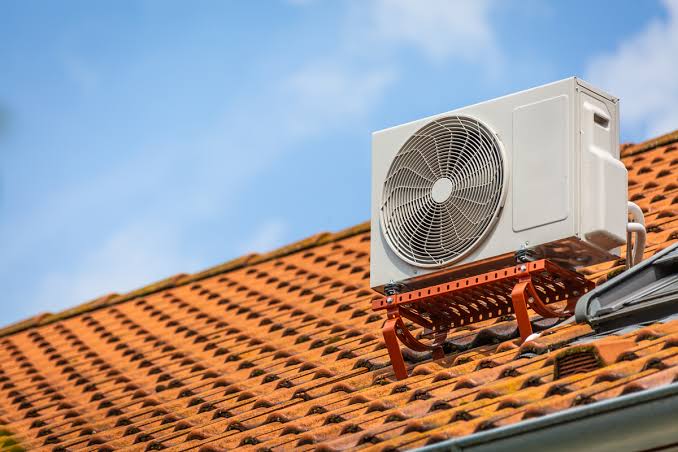
If you have ever driven through Phoenix, Tucson, or Scottsdale, you have likely noticed a distinct architectural feature: large, boxy air conditioning units sitting prominently on top of homes and businesses. It is a curious sight for newcomers, leading many to ask, why are AC units on the roof in Arizona?
The answer lies in a unique combination of extreme climate challenges, structural engineering, and practical lifestyle needs. In this guide, we will break down the logic behind this regional preference, helping you understand whether a rooftop unit might be the right choice for your property or simply satisfying your curiosity about desert living.
The Space-Saving Advantage in Dense Urban Areas
One of the primary drivers for placing HVAC (Heating, Ventilation, and Air Conditioning) systems on the roof is simple real estate economics. In Arizona’s major metropolitan areas, land is at a premium.
Maximizing Yard Usability
For residential properties, especially in newer subdivisions or urban infill projects, every square foot of backyard space counts. A traditional ground-level condenser unit requires a concrete pad, clearance space for airflow, and landscaping buffers to hide the noise and visual clutter.
By moving the unit to the roof:
- You reclaim yard space for pools, patios, or xeriscaping.
- You eliminate ground-level noise near bedroom windows or outdoor entertainment areas.
- You improve curb appeal by removing bulky machinery from the front or side yards.
This is particularly relevant in Arizona, where outdoor living is a year-round activity due to the mild winters and warm evenings. Homeowners prefer not to have their view of the sunset obstructed by a humming metal box.
Structural Integrity and Foundation Stability
Arizona’s soil composition plays a surprising role in HVAC placement. Much of the state sits on expansive clay soils or loose desert sand, which can shift significantly with temperature changes and moisture levels.
Avoiding Ground Settlement Issues
Ground-mounted units require a stable concrete slab. However, if the soil shifts—a common occurrence during the monsoon season or after rare heavy rains—the slab can crack or tilt. This misalignment can damage the compressor, reduce efficiency, and void warranties.
Roof-mounted units, by contrast, are secured to the building’s structural framework. Modern Arizona construction codes require robust roofing structures capable of supporting significant weight loads. By anchoring the unit to the roof trusses or reinforced beams, technicians ensure the system remains level and stable, regardless of ground conditions.
Expert Insight: According to structural engineers, distributing the weight of an HVAC unit across the roof’s load-bearing walls is often more predictable than relying on isolated ground pads in shifting soil zones.
Enhanced Security and Vandalism Prevention
While Arizona is generally safe, like any major region, it faces issues with theft and vandalism. Copper is a valuable commodity, and AC units are rich in copper wiring and coils.
Protecting Your Investment
Ground-level units are easy targets for thieves looking to strip copper for scrap metal. A rooftop unit is significantly harder to access without specialized equipment like ladders or lifts. This added layer of difficulty acts as a powerful deterrent.
- Reduced Theft Risk: Thieves are less likely to attempt a roof climb.
- Less Animal Interference: Ground units often become shelters for snakes, scorpions, and rodents, which can chew through wires. Roof units are far less accessible to local wildlife.
Improved Air Quality and Debris Management
The desert environment is dusty. Sandstorms, known locally as “haboobs,” can blanket an area in fine particulate matter in minutes. Additionally, Arizona is home to diverse vegetation, including palo verde trees and mesquite, which shed leaves and flowers.
Keeping Coils Clean
Ground-level units are prone to sucking in dust, dirt, and plant debris from the immediate surrounding area. This clogs the condenser coils, forcing the system to work harder and reducing its lifespan.
Rooftop units benefit from:
- Better Airflow: Winds are generally stronger and cleaner at higher elevations.
- Less Ground Dust: They are further away from the densest layer of settled dust and kicked-up dirt from foot traffic.
- Easier Maintenance Access: While it may seem counterintuitive, technicians often find it easier to clean a unit that isn’t surrounded by overgrown bushes or buried in sand drifts.
However, it is important to note that roof units still require regular maintenance to remove bird droppings and wind-blown debris.
Efficiency in Extreme Heat
Arizona summers are brutal, with temperatures regularly exceeding 110°F (43°C). How does a rooftop location affect performance in such heat?
The Thermodynamics of Height
Hot air rises. During the day, the ground surface absorbs solar radiation and becomes significantly hotter than the air just a few feet above it. This phenomenon, known as the urban heat island effect, means that ground-level ambient temperatures can be 5–10 degrees hotter than rooftop temperatures.
By placing the condenser unit on the roof:
- The unit draws in slightly cooler air.
- The heat exchange process is more efficient.
- The compressor does not have to work as hard to dissipate heat.
While the difference may seem small, over thousands of hours of operation during an Arizona summer, this efficiency gain translates to lower electricity bills and reduced wear on the system.
Comparison: Rooftop vs. Ground-Level Units in Arizona
To help you visualize the trade-offs, here is a quick comparison table:
| Feature | Rooftop Unit (RTU) | Ground-Level Unit |
|---|---|---|
| Space Usage | Saves yard space | Consumes yard space |
| Security | High (hard to access) | Low (easy target for theft) |
| Noise Level | Quiet indoors/outdoors | Audible near patio/windows |
| Maintenance | Requires ladder/safety gear | Easy access for technicians |
| Heat Exposure | Slightly cooler ambient air | Hotter due to ground radiation |
| Installation Cost | Higher (structural reinforcement) | Lower (standard pad) |
| Lifespan | Often longer (less debris) | Variable (depends on care) |
Installation Considerations and Safety
It is crucial to understand that installing an AC unit on a roof is not a DIY project. It requires strict adherence to building codes and safety standards.
Key Steps for Proper Installation
- Structural Assessment: A licensed engineer must verify that the roof can support the static weight of the unit and the dynamic load during high winds.
- Reinforcement: Additional framing or steel supports may be needed under the roofing material.
- Vibration Isolation: Rubber mounts or springs are installed to prevent vibration from transferring into the house structure, which could cause rattling or cracks.
- Weatherproofing: The penetration points for refrigerant lines and electrical conduits must be sealed with high-quality flashing to prevent leaks during monsoon rains.
For more detailed information on HVAC standards and safety regulations, you can refer to general industry guidelines provided by Wikipedia’s entry on HVAC.
FAQ Section
1. Do rooftop AC units leak water into the house?
No, not if installed correctly. Professional installers use specialized flashing and sealants around all penetrations. Regular roof inspections should include checking these seals, especially after severe weather events.
2. Are rooftop units louder than ground units?
Actually, they are often quieter for the occupants inside the home. Since the motor and fan are located above the living space, the noise is directed upward and outward rather than into the backyard or through ground-floor walls.
3. How do technicians service rooftop units safely?
HVAC technicians are trained in fall protection and use harnesses, ladders, and sometimes lifts. Reputable companies carry insurance specifically for roof work. Always verify that your HVAC provider is licensed and insured before hiring them.
4. Can I convert my ground unit to a rooftop unit?
It is possible but expensive. It involves reinforcing the roof, running new refrigerant lines, and potentially upgrading electrical circuits. For most existing homes, it is more cost-effective to replace the ground unit with a high-efficiency model unless you are undergoing a major renovation.
5. Do rooftop units last longer in Arizona?
Generally, yes. Because they are exposed to less ground-level dust, debris, and potential flooding from monsoon rains, rooftop units often experience less corrosion and clogging. However, they are exposed to more intense UV radiation, so protective coatings are recommended.
Conclusion
So, why are AC units on the roof in Arizona? It is a smart adaptation to the desert environment. By utilizing rooftop space, homeowners gain valuable yard area, improve security against theft, and benefit from slightly cooler operating temperatures. While the initial installation may be more complex, the long-term benefits in terms of efficiency, cleanliness, and lifestyle quality make it a preferred choice for many Arizonans.
Whether you are building a new home or considering an upgrade, understanding these factors can help you make an informed decision about your cooling needs.
Found this guide helpful? Share it with your friends on social media who are puzzling over those rooftop boxes, or leave a comment below with your own experiences with Arizona HVAC systems!