Renovating your roof or tackling a new installation project can feel overwhelming, especially when you stare at a stack of durable composite shingles and wonder how to shape them precisely. You want a clean cut that seals properly, but you also want to avoid wasting expensive materials or damaging your tools. If you are asking yourself, “Which Is The Best Tool For Cutting Through Composite Roofing,” you are not alone; this is one of the most common questions among homeowners and professional roofers alike.
In this guide, we will break down the most effective tools for the job, explain why certain blades matter more than the saw itself, and provide step-by-step instructions to ensure your cuts are safe, accurate, and efficient. Whether you are a seasoned DIYer or a first-time homeowner, this article will help you make the right choice for your specific needs.
Why Composite Roofing Requires Specific Cutting Tools
Composite roofing, often referred to as synthetic slate or rubber roofing, is engineered to be incredibly durable. Unlike traditional asphalt shingles, composite materials are designed to resist impact, weather, and fire. This durability, however, makes them harder to cut.
Using the wrong tool can lead to jagged edges, cracked tiles, or excessive dust that clogs your workspace. According to industry standards, the density of composite materials requires high-speed cutting instruments with specialized teeth configurations to prevent chipping. Understanding the material composition is the first step toward selecting the right equipment.
Top Contenders: Which Is The Best Tool For Cutting Through Composite Roofing?
When it comes to cutting composite roofing, there is no single “magic bullet,” but there are clear frontrunners depending on the scale of your project. Here are the three most effective tools used by professionals.
1. The Circular Saw (The Professional’s Choice)
For large-scale installations or long straight cuts, a circular saw is widely considered the best tool for cutting through composite roofing. It offers speed, precision, and consistency.
- Why it works: A circular saw provides the high RPM (revolutions per minute) needed to slice through dense synthetic materials cleanly.
- Best Blade: Use a fine-toothed carbide-tipped blade. A blade with 60 to 80 teeth is ideal for minimizing chipping.
- Pro Tip: Always cut with the good side of the shingle facing down if using a standard circular saw, as the blade exits from the bottom, which can cause tear-out on the top surface.
2. The Oscillating Multi-Tool (The Detail Master)
If you are working around vents, chimneys, or complex angles, an oscillating multi-tool is indispensable. While slower than a circular saw, it offers unmatched control.
- Why it works: It allows for plunge cuts and intricate shapes without the risk of kicking back.
- Best Blade: Look for a bi-metal or carbide-grit edge blade designed for hard plastics and composites.
- Limitation: Not suitable for long, straight cuts due to the small blade size and slower speed.
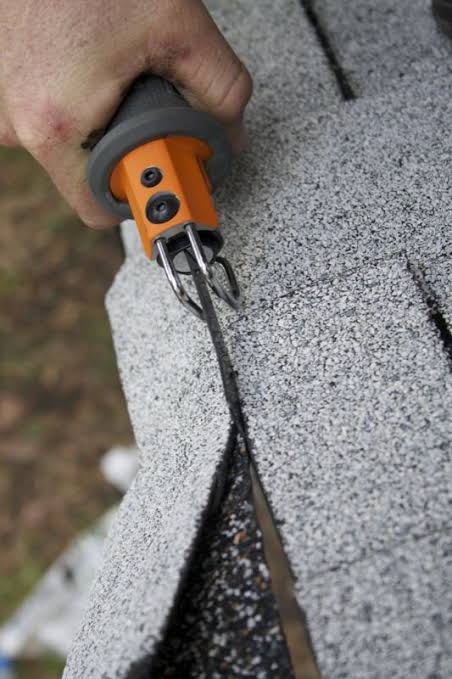
3. Heavy-Duty Utility Knife (The Budget Option)
For thinner composite shingles or minor adjustments, a sharp utility knife with a hook blade can work. However, this method requires significant physical effort and is prone to uneven edges.
- Why it works: No electricity required, silent, and produces zero dust.
- Limitation: Only recommended for soft composites or emergency fixes. It is generally not the best tool for heavy-duty synthetic slate.
Comparison Table: Choosing Your Weapon
To help you decide, here is a quick comparison of the top tools based on key performance metrics.
| Feature | Circular Saw | Oscillating Multi-Tool | Utility Knife |
|---|---|---|---|
| Speed | Fast | Slow | Very Slow |
| Precision | High (Straight Lines) | Very High (Curves) | Low |
| Dust Production | High | Medium | None |
| Ease of Use | Moderate | Easy | Hard (Physical Effort) |
| Best For | Large batches, straight cuts | Vents, corners, details | Minor trims, thin shingles |
Step-by-Step Guide: How to Cut Composite Roofing Safely
Now that you know which is the best tool for cutting through composite roofing, let’s look at how to use it effectively. We will focus on the circular saw method, as it is the most common for full installations.
Step 1: Prepare Your Workspace
Set up a stable work surface. Use two sawhorses with a piece of plywood across them to create a cutting table. Ensure the area is well-ventilated, as cutting composites can release fine particles.
Step 2: Measure and Mark
Use a chalk line or a straight edge to mark your cut line. Accuracy is crucial because composite shingles do not forgive misalignments like asphalt shingles might. Double-check your measurements before making any cuts.
Step 3: Select the Right Blade
Install a carbide-tipped fine-tooth blade (minimum 60 teeth). Avoid using old or dull blades, as they generate heat and can melt the composite material rather than cutting it.
Step 4: Secure the Shingle
Clamp the shingle firmly to your work surface. Never hold the material with your hand while cutting. Safety first: wear safety glasses, a dust mask (N95 rating), and hearing protection.
Step 5: Make the Cut
Start the saw and let it reach full speed before touching the material. Guide the saw along the marked line steadily. Do not force the saw; let the blade do the work. If you hear the motor bogging down, you are pushing too hard.
Step 6: Clean the Edges
After cutting, inspect the edge. If there are minor burrs, use a sanding block or a file to smooth them out. This ensures the shingle sits flat against the roof deck.
Expert Insight: The Importance of Blade Quality
Many homeowners blame the saw when they get poor results, but the blade is often the culprit. According to general engineering principles regarding material science, cutting hardened polymers requires blades that maintain sharpness under high friction. You can read more about the properties of composite materials on Wikipedia to understand why standard wood blades fail.
Investing in a high-quality blade specifically rated for “laminate” or “composite” materials will save you money in the long run by reducing waste and extending the life of your tool.
Common Mistakes to Avoid
- Using a Coarse Blade: A blade with fewer than 24 teeth will chip and crack the shingle.
- Cutting Too Fast: Rushing leads to inaccurate cuts and potential safety hazards.
- Ignoring Dust Control: Composite dust can be irritating. Use a shop vacuum with a HEPA filter nearby to capture particles.
- Not Wearing PPE: Always protect your eyes and lungs. The particles generated are small and can be harmful if inhaled.
FAQ Section
Q1: Can I use a jigsaw to cut composite roofing?
A: Yes, a jigsaw can be used, particularly for curved cuts. However, it is slower than a circular saw and may vibrate enough to cause micro-cracks in brittle composite slates. Use a fine-toothed metal-cutting blade for best results.
Q2: Do I need a special blade for synthetic slate?
A: Yes. Standard wood blades will dull quickly and produce rough edges. A carbide-tipped blade with a high tooth count (60+) is essential for a clean cut on synthetic slate.
Q3: Is it better to cut composite shingles on the roof or on the ground?
A: It is highly recommended to cut them on the ground. Cutting on the roof is dangerous, unstable, and makes dust cleanup difficult. Pre-cutting your shingles on a stable surface ensures accuracy and safety.
Q4: How do I prevent chipping when cutting composite roofing?
A: To prevent chipping, use a sharp, fine-toothed blade, cut slowly, and support the shingle fully on both sides of the cut line. Some professionals also place painter’s tape over the cut line to hold the surface fibers together.
Q5: What is the safest way to dispose of composite roofing scraps?
A: Check with your local waste management facility. Many composite materials are recyclable, but they cannot go in standard curbside recycling bins. Some manufacturers have take-back programs for installation waste.
Conclusion
Finding the right equipment can make the difference between a frustrating weekend and a professional-looking roof. So, which is the best tool for cutting through composite roofing? For most projects, a circular saw with a fine-toothed carbide blade is the ultimate winner, offering the best balance of speed and precision. For detailed work, pair it with an oscillating multi-tool.
By following the steps outlined above and prioritizing safety, you can achieve clean, precise cuts that ensure your roof looks great and lasts for decades. Don’t forget to share this guide with your fellow DIY enthusiasts on social media if you found it helpful! Happy roofing!