Have you or a loved one recently received a diagnosis requiring surgery on the palate, leaving you confused by complex medical jargon? It is completely normal to feel overwhelmed when navigating healthcare terminology, especially when it involves delicate oral structures. Understanding the surgical repair of the roof of the mouth medical term is the first step toward gaining confidence and preparing for a successful recovery journey.
In this comprehensive guide, we will demystify the clinical language used by surgeons, explain what the procedure entails, and provide actionable advice for pre-and post-operative care. Whether you are a parent preparing for a child’s cleft palate repair or an adult addressing a congenital defect, this article is designed to provide clarity, comfort, and authoritative information.
Decoding the Medical Term: What Is Palatoplasty?
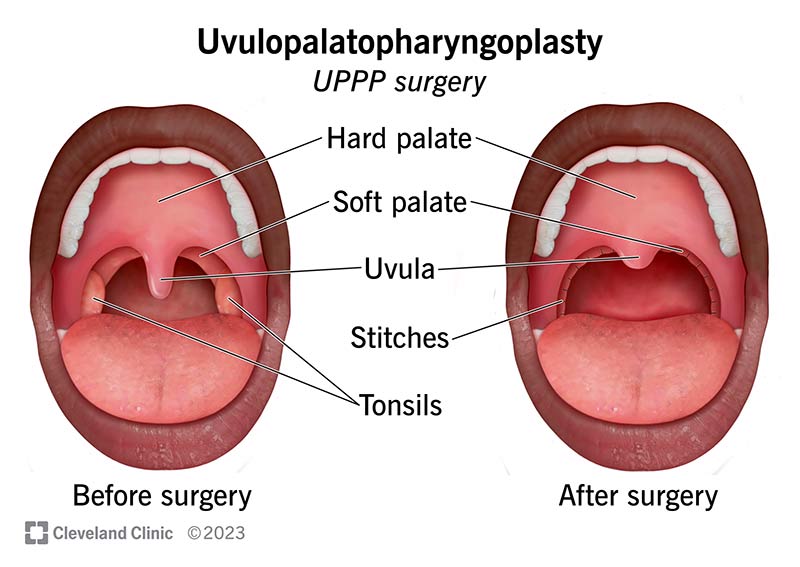
When doctors discuss the surgical repair of the roof of the mouth medical term, they are almost exclusively referring to palatoplasty.
The word itself is derived from two Greek roots: palato- (referring to the palate) and -plasty (meaning surgical repair or molding). Therefore, palatoplasty literally translates to the surgical reconstruction of the palate.
Why Is This Surgery Performed?
The primary reason for this surgery is to correct a cleft palate, a birth defect where there is an opening in the roof of the mouth. However, it is not limited to infants. Adults may also require palatoplasty for:
- Repairing fistulas (holes) that remain after previous surgeries.
- Correcting velopharyngeal insufficiency (VPI), where the soft palate does not close properly against the back of the throat during speech.
- Reconstructing tissue damaged by trauma or tumor removal.
According to the Centers for Disease Control and Prevention (CDC), cleft lip and cleft palate are among the most common birth defects in the United States, affecting approximately 1 in every 1,600 babies. Early intervention through palatoplasty is crucial for proper speech development, eating abilities, and dental health.
Expert Insight: “Timing is critical. Most surgeons recommend performing palatoplasty between 9 and 12 months of age, before the child begins to develop significant speech patterns.” – American Society of Plastic Surgeons
How Does Palatoplasty Differ from Cheiloplasty?
A common source of confusion for patients is distinguishing between repairs of the lip and the roof of the mouth. While often performed in conjunction, they are distinct procedures.
| Feature | Palatoplasty | Cheiloplasty |
|---|---|---|
| Target Area | Roof of the mouth (Hard & Soft Palate) | Upper Lip |
| Primary Goal | Improve speech and feeding | Improve appearance and lip function |
| Medical Term Root | -plasty (Palate) | -cheilo (Lip) |
| Typical Age | 9–12 Months | 3–6 Months |
Understanding this distinction helps in communicating effectively with your healthcare team. If your concern is specifically about the surgical repair of the roof of the mouth medical term, you are focusing on palatoplasty, not cheiloplasty.
The Step-by-Step Procedure: What Happens During Surgery?
Knowing what to expect can significantly reduce anxiety. Here is a generalized overview of how a standard palatoplasty is performed. Note that techniques may vary based on the surgeon’s preference and the patient’s specific anatomy.
1. Anesthesia and Preparation
The patient is placed under general anesthesia. This ensures they are completely asleep and feel no pain during the procedure. The surgical team will monitor vital signs continuously throughout the operation.
2. Incision and Muscle Repair
The surgeon makes incisions along both sides of the cleft. The goal is not just to close the skin but to reconstruct the underlying muscles. The levator veli palatini muscles, which are responsible for lifting the soft palate, are detached and repositioned to create a functional sling. This muscle repair is vital for future speech clarity.
3. Closing the Gap
The tissue flaps are moved toward the center of the mouth and stitched together. Special absorbable sutures are typically used, meaning they do not need to be removed later. These stitches will dissolve naturally over 7–10 days.
4. Hemostasis and Recovery Room
Once the repair is complete, the surgeon ensures there is no excessive bleeding. The patient is then moved to a recovery area where nurses monitor them as they wake up from anesthesia.
For more detailed anatomical references regarding the palate structure, you can refer to Wikipedia’s entry on the Palate.
Recovery Timeline: What to Expect After Surgery
Recovery from palatoplasty requires patience and careful adherence to post-operative instructions. The healing process generally follows this timeline:
Week 1: The Critical Phase
- Pain Management: Mild to moderate discomfort is normal. Prescribed pain medication should be used as directed.
- Diet: Strictly liquid diet. No straws, spoons, or cups with hard rims. Use a syringe or special cleft feeder to deliver breast milk, formula, or clear liquids.
- Activity: Keep the patient calm. Crying can increase pressure on the surgical site.
Weeks 2–3: Tissue Healing
- Diet Transition: You may gradually introduce pureed foods (applesauce, yogurt). Avoid crunchy, sharp, or hot foods.
- Hygiene: Gentle oral hygiene is essential. Do not brush the surgical site directly. Use a water pick on a low setting if recommended by your surgeon.
Month 1 and Beyond: Long-Term Care
- Speech Therapy: Many patients will require speech therapy to maximize the benefits of the surgery.
- Follow-up Appointments: Regular check-ups ensure the palate is healing correctly and there are no fistulas forming.
Risks and Complications: Being Informed
While palatoplasty is a safe and routine procedure, like all surgeries, it carries risks. Being aware of these allows for early detection and management.
- Bleeding: Minor oozing is common; significant bleeding requires immediate medical attention.
- Infection: Signs include fever, increased redness, or foul-smelling discharge. Antibiotics are sometimes prescribed prophylactically.
- Velopharyngeal Insufficiency (VPI): In some cases, the palate may still not close fully during speech, leading to hypernasality. This may require further speech therapy or secondary surgery.
- Fistula Formation: A small hole may reopen in the palate. This occurs in about 5–10% of cases and may require minor repair.
Frequently Asked Questions (FAQ)
1. Is palatoplasty painful for children?
Most children experience mild to moderate discomfort rather than severe pain. Pediatric surgeons prescribe appropriate pain relief, and children often recover faster than adults due to their resilience. Keeping the child distracted and comfortable is key.
2. Will my child need speech therapy after the surgical repair of the roof of the mouth?
Yes, in many cases. While surgery fixes the structural defect, speech therapy helps the brain and muscles learn how to use the new palate structure correctly for clear speech. Starting therapy early yields the best results.
3. Can adults undergo palatoplasty?
Absolutely. Adults who were not treated as children, or those who have developed issues later in life, can undergo palatoplasty. The procedure is similar, but recovery may take slightly longer, and speech therapy is almost always required post-surgery.
4. How long does the surgery take?
A typical palatoplasty takes between 1.5 to 2.5 hours, depending on the complexity of the cleft and the specific technique used by the surgeon.
5. Are there non-surgical alternatives for cleft palate?
No. A cleft palate is a physical structural defect that cannot be corrected with medication or therapy alone. Surgery is the only effective treatment to close the gap and restore function. However, prosthetic devices (speech bulbs) can be used in rare cases where surgery is not an option.
6. What is the success rate of palatoplasty?
The success rate is very high, with over 90% of patients achieving significant improvement in speech and feeding functions after a single procedure. Some may require minor revisions, but the overall prognosis is excellent.
Conclusion
Navigating the world of craniofacial surgery can be daunting, but understanding the surgical repair of the roof of the mouth medical term—palatoplasty—empowers you to make informed decisions. This procedure is a cornerstone of modern reconstructive surgery, offering life-changing improvements in speech, nutrition, and quality of life for both children and adults.
By knowing what to expect during the procedure and recovery, you can better support yourself or your loved one through this journey. Remember, you are not alone; a dedicated team of surgeons, speech therapists, and pediatricians is there to guide you every step of the way.
Did you find this guide helpful? Share this article with friends or family members who might be facing similar challenges. Spreading accurate, empathetic information helps build a supportive community for those undergoing oral surgery.
Disclaimer: This article is for informational purposes only and does not constitute medical advice. Always consult with a qualified healthcare provider for diagnosis and treatment options tailored to your specific condition.