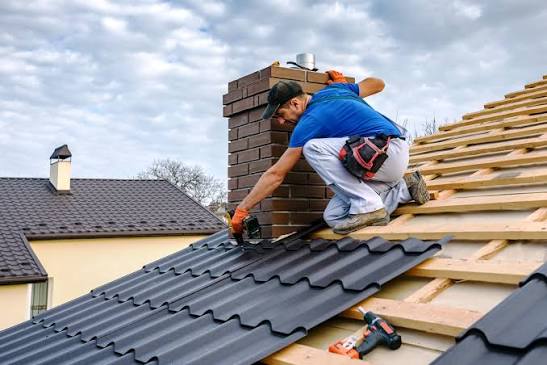
Replacing a roof is one of the most significant investments a homeowner can make. It is not just about aesthetics; it is about protecting your family, your belongings, and the structural integrity of your home from the elements. If you are currently staring at curling shingles or dealing with a persistent leak, you are likely asking yourself: how much does it cost to get your roof done?
The answer is rarely a single number. Costs vary wildly based on location, materials, and the complexity of your home’s architecture. However, understanding the breakdown of these costs empowers you to negotiate better with contractors and avoid unexpected financial shocks. In this guide, we will dissect the current market rates for 2026, explore the factors that drive prices up or down, and provide you with a clear roadmap for budgeting your roofing project.
What Is the Average Cost to Replace a Roof in 2026?
Before diving into specific materials, it is helpful to understand the national averages. As of 2026, the cost to replace a roof on a typical 2,000-square-foot home in the United States generally ranges between $8,500 and $14,500.
However, “average” can be misleading. A simple gable roof with asphalt shingles in the Midwest will cost significantly less than a multi-story Victorian home with slate tiles in California. Most homeowners spend approximately $4.50 to $7.50 per square foot for a complete tear-off and replacement using standard materials.
It is crucial to note that labor typically accounts for 60% to 70% of the total cost, while materials make up the remaining 30% to 40%. This ratio highlights why choosing a reputable contractor is just as important as choosing the right shingle. Poor installation can void warranties and lead to premature failure, regardless of how expensive the materials were.
How Do Different Roofing Materials Affect the Price?
The material you choose is the single biggest variable in your final bill. Here is a breakdown of the most common roofing materials and their estimated costs per square foot (including installation) in 2026.
| Material Type | Estimated Cost Per Sq. Ft. | Lifespan | Best For |
|---|---|---|---|
| Asphalt Shingles | $4.50 – $8.50 | 15–30 Years | Budget-conscious homeowners, moderate climates |
| Metal Roofing | $9.00 – $16.00 | 40–70 Years | Snowy regions, modern aesthetics, longevity |
| Clay/Concrete Tiles | $10.00 – $20.00 | 50+ Years | Hot climates, Spanish/Mediterranean styles |
| Wood Shakes | $8.00 – $14.00 | 20–40 Years | Rustic looks, dry climates (fire risk consideration) |
| Slate | $15.00 – $30.00+ | 75–100+ Years | Historic homes, luxury estates, maximum durability |
Asphalt Shingles: The Standard Choice
Asphalt remains the most popular choice in the US due to its affordability and ease of installation. Within this category, you have 3-tab shingles (cheaper, shorter lifespan) and architectural shingles (more durable, better aesthetic). Architectural shingles are increasingly becoming the standard for new installations because they offer better wind resistance and curb appeal for a modest price increase.
Metal Roofing: The Long-Term Investment
While the upfront cost of metal roofing is nearly double that of asphalt, it pays off over time. Metal roofs are highly energy-efficient, reflecting solar heat rather than absorbing it. This can lower your cooling bills by up to 25%. Additionally, many insurance companies offer discounts for metal roofs due to their fire and wind resistance.
Slate and Tile: The Premium Option
If you are looking for a “forever roof,” slate is the gold standard. It is incredibly heavy, requiring additional structural support for your home, which adds to the labor cost. However, it is virtually indestructible and adds significant resale value to high-end properties.
What Hidden Costs Should You Budget For?
When asking how much does it cost to get your roof done, many homeowners only calculate the price of shingles and labor. However, several hidden costs can inflate your budget if not anticipated.
1. Tear-Off and Disposal Fees
Most local building codes require that old roofing materials be removed before installing new ones. This process, known as a “tear-off,” involves labor and dumpster rental fees. Expect to pay an additional $1,000 to $2,500 depending on the size of your roof and local landfill fees. If your contractor quotes a price for “overlaying” (installing new shingles over old ones), be cautious. This can trap moisture and void manufacturer warranties.
2. Structural Repairs
Once the old roof is removed, contractors may discover rotted decking (the wooden planks beneath the shingles). Replacing rotten plywood typically costs $75 to $150 per sheet. It is wise to set aside a contingency fund of 10–15% of your total budget for these unforeseen repairs.
3. Ventilation and Flashing
Proper ventilation is critical for extending the life of your roof. Upgrading ridge vents, soffit vents, or installing new flashing around chimneys and skylights can add $500 to $1,500 to the project. Never skip this step; poor ventilation leads to ice dams in winter and excessive heat buildup in summer.
4. Permit Costs
Most municipalities require a permit for roof replacement. These fees vary by location but generally range from $150 to $500. Ensure your contractor includes this in their quote or clarifies who is responsible for obtaining it.
How Does Location Impact Roofing Costs?
Geography plays a massive role in pricing. Labor rates in urban areas like New York City or San Francisco are significantly higher than in rural areas. Furthermore, regional weather patterns dictate material requirements.
For instance, in hurricane-prone states like Florida or Texas, building codes may require impact-resistant shingles or specific nail patterns, which increases labor time and material costs. Conversely, in colder northern states, contractors may charge more for winter work due to the hazards of working on icy surfaces.
According to data from various housing markets, the Northeast and West Coast tend to have the highest roofing costs, while the South and Midwest often offer more competitive pricing due to lower labor costs and high competition among roofing companies.
Should You Repair or Replace Your Roof?
Not every roof needs a full replacement. Understanding when to repair versus when to replace can save you thousands of dollars.
Choose Repair If:
- The damage is localized (e.g., a few missing shingles after a storm).
- The roof is less than 10 years old.
- There is no widespread water damage in the attic.
Choose Replacement If:
- The roof is approaching or has exceeded its expected lifespan (e.g., 20 years for asphalt).
- You notice sagging areas, which indicate structural issues.
- Shingles are curling, cracking, or losing granules across large sections.
- You have had multiple leaks in different areas.
A good rule of thumb is the 50% Rule: If the cost of repairs exceeds 50% of the cost of a new roof, replacement is usually the more economical long-term choice.
How to Choose the Right Roofing Contractor
Selecting the right professional is as important as selecting the right material. Here are steps to ensure you hire a qualified expert:
- Verify Licensing and Insurance: Never hire a contractor without general liability insurance and workers’ compensation. This protects you from being liable if a worker is injured on your property.
- Check Local References: Ask for addresses of recent jobs in your neighborhood. Drive by and look at the quality of the work.
- Get Multiple Quotes: Aim for at least three detailed written estimates. Be wary of quotes that are significantly lower than the others; this often indicates corner-cutting on materials or insurance.
- Review the Warranty: Understand the difference between the manufacturer’s warranty (covers material defects) and the workmanship warranty (covers installation errors). A reputable contractor should offer a workmanship warranty of at least 5–10 years.
For more detailed information on building standards and safety regulations, you can refer to resources provided by Wikipedia regarding general roofing practices and historical context.
Frequently Asked Questions (FAQ)
1. Does homeowners insurance cover roof replacement?
Insurance typically covers roof replacement if the damage is caused by a sudden, accidental event like a hailstorm, wind, or falling tree. It generally does not cover wear and tear, age-related deterioration, or lack of maintenance. Always review your policy and document damage thoroughly with photos before filing a claim.
2. How long does a roof replacement take?
For an average-sized home (2,000 sq. ft.), a full roof replacement usually takes 1 to 3 days. Larger or more complex roofs with multiple peaks, chimneys, or steep pitches may take up to a week. Weather delays can also extend this timeline.
3. Can I install a new roof myself to save money?
While DIY roofing is possible, it is strongly discouraged for most homeowners. Roofing is dangerous, physically demanding, and requires specialized tools. Improper installation can void warranties and lead to costly leaks. Most manufacturers will not honor their warranty if the roof is not installed by a certified professional.
4. What is the best time of year to replace a roof?
Late spring through early fall is the ideal window for roofing projects. Temperatures are moderate, allowing adhesives to seal properly. However, scheduling during the “off-season” (late fall or early winter, depending on your climate) might yield better pricing due to lower demand.
5. Will a new roof increase my home’s value?
Yes. A new roof is one of the top home improvements for return on investment (ROI). It boosts curb appeal and reassures potential buyers that they won’t face immediate major expenses. On average, a new roof can recoup 60% to 70% of its cost in increased home value.
Conclusion
So, how much does it cost to get your roof done? While the national average hovers between $8,500 and $14,500, your specific cost will depend on your material choice, home size, and location. By understanding the breakdown of labor, materials, and hidden fees, you can approach your roofing project with confidence.
Remember, a roof is not just an expense; it is a protective shield for your most valuable asset. Invest in quality materials and reputable labor to ensure peace of mind for decades to come.
Found this guide helpful? Share it with your friends on social media who might be facing similar home improvement decisions. Don’t forget to bookmark this page for future reference as you plan your budget!
Leave a Reply