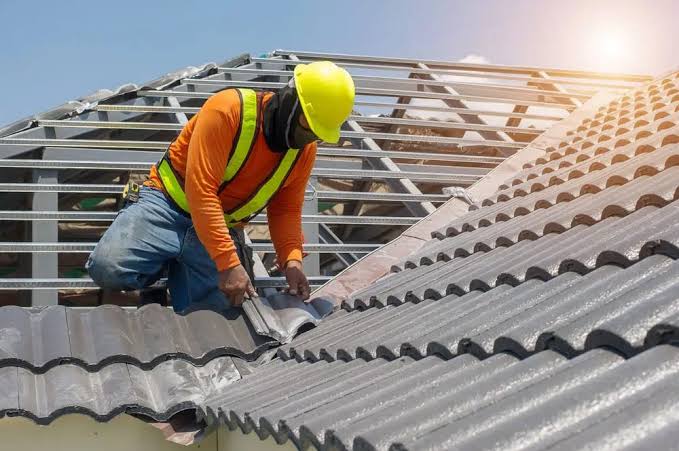
Most homeowners dread the thought of bureaucratic red tape when planning a major home improvement project. You just want your leak fixed or your shingles updated, but the question “Do You Need A Permit To Re Roof Your House“ often halts progress before it begins. Navigating local building codes can feel overwhelming, but understanding these requirements is crucial for protecting your investment and ensuring your home remains safe and compliant.
Why Most Roof Replacements Require a Permit
The short answer is: Yes, in most cases, you do need a permit.
While regulations vary significantly by municipality, county, and state across the US, the majority of jurisdictions require a building permit for a full roof replacement. This is not merely a way for local governments to generate revenue; it is a safety mechanism. Your roof is your home’s first line of defense against the elements, and improper installation can lead to structural damage, water intrusion, and even fire hazards.
Building codes exist to ensure that roofing materials are installed correctly, that the underlying structure can support the weight of new materials, and that proper ventilation and flashing techniques are used. When you pull a permit, you are essentially inviting a third-party inspector to verify that the work meets minimum safety standards.
The Risk of Skipping the Permit
Many homeowners consider skipping the permit process to save time or money. However, this “shortcut” can lead to severe long-term consequences:
- Voided Warranties: Most major roofing manufacturers (such as GAF, CertainTeed, and Owens Corning) will void their material warranties if the roof was installed without a proper permit and inspection.
- Insurance Denials: If your new roof fails during a storm and you file a claim, your insurance company may request proof of permitted work. Without it, they may deny your claim entirely.
- Resale Issues: When selling your home, unpermitted work can show up during inspections. This can delay closing, force you to pay for retroactive permits, or lower your home’s appraised value.
- Fines and Penalties: Local building departments can issue hefty fines for unpermitted work. In some cases, you may be forced to remove the new roof to allow for inspection of the decking underneath.
Factors That Determine Permit Requirements
Not every roofing job is treated equally. Several factors influence whether your specific project requires a permit. Understanding these nuances can help you prepare for conversations with your local building department.
1. Scope of Work: Repair vs. Replacement
There is a distinct difference between a repair and a replacement in the eyes of building codes.
- Minor Repairs: Fixing a few missing shingles, replacing a small section of flashing, or sealing a minor leak typically does not require a permit. Most jurisdictions allow homeowners to repair up to a certain percentage of the roof (often 25% or less) without permitting.
- Full Replacement: Stripping off the old roofing material down to the deck and installing new underlayment and shingles almost always requires a permit.
- Overlaying: Installing new shingles over existing ones (known as a “roof-over”) may or may not require a permit, depending on local codes. However, many areas now prohibit overlaying more than two layers due to weight concerns.
2. Structural Changes
If your roofing project involves any structural modifications, a permit is mandatory. This includes:
- Changing the pitch or slope of the roof.
- Adding or removing skylights, chimneys, or vents.
- Reinforcing rafters or trusses.
- Converting an attic space into living area.
3. Local Jurisdiction Rules
Building codes are enforced at the local level. What applies in New York City may differ vastly from rural Texas.
| Location Type | Typical Permit Strictness | Common Requirements |
|---|---|---|
| Major Cities | Very High | Detailed plans, engineering stamps, multiple inspections. |
| Suburban Counties | Moderate | Standard application, fee payment, final inspection. |
| Rural Areas | Low to Moderate | May only require notification or simple registration. |
To find your specific local requirements, you should visit your city or county’s official building department website. For a broader understanding of how building codes are standardized across the US, you can refer to resources like Wikipedia’s article on Building Codes, which explains the model codes (like the International Residential Code) that most localities adopt.
How to Obtain a Roofing Permit: A Step-by-Step Guide
If you determine that a permit is required, the process is generally straightforward. Here is how to navigate it efficiently.
Step 1: Contact Your Local Building Department
Start by visiting your local municipal or county building department’s website. Look for the “Permits” or “Building Services” section. Many jurisdictions now offer online applications, which can speed up the process significantly.
Step 2: Gather Required Documentation
You will typically need to provide:
- Property Address and Legal Description: Found on your deed or tax bill.
- Contractor Information: If hiring a pro, their license number and insurance details.
- Scope of Work Description: A brief summary of what will be done (e.g., “Remove existing asphalt shingles, replace plywood decking where damaged, install new synthetic underlayment and architectural shingles”).
- Material Specifications: Types of shingles, underlayment, and flashing to be used.
Step 3: Pay the Permit Fee
Permit fees vary widely. In some small towns, the fee might be $50–$100. In larger cities, it could range from $200 to $500 or more, sometimes calculated based on the square footage of the roof or the total project cost.
Step 4: Schedule Inspections
Once the permit is issued, you must schedule inspections. Typically, there are two key inspection points:
- Deck Inspection: After the old roof is removed but before new materials are installed. The inspector checks the wood decking for rot or damage.
- Final Inspection: After the roof is completely finished. The inspector ensures proper nailing patterns, flashing, and cleanup.
Note: Do not cover up the deck until the initial inspection is passed. Failing to do so can result in having to tear off the new roof to expose the deck for inspection.
Who Should Pull the Permit: You or Your Contractor?
This is a common point of confusion. Generally, there are two scenarios:
Scenario A: You Hire a Licensed Contractor
In most cases, your contractor should pull the permit. Professional roofing companies are familiar with local codes and have established relationships with building inspectors. They include the permit cost in their overall quote.
- Benefit: It transfers the liability and administrative burden to the professional.
- Caution: Always verify that the permit has actually been pulled. Ask to see the permit card or number. If a contractor says, “Don’t worry about the permit, it saves you money,” this is a major red flag.
Scenario B: You Are DIY-ing the Project
If you are doing the work yourself, you must pull the permit as the homeowner. You will be responsible for scheduling inspections and ensuring the work meets code. Be honest with the building department about your DIY status; they may offer additional guidance or require more frequent inspections to ensure safety.
Cost Breakdown: Is the Permit Worth It?
Let’s look at the financials. While a permit adds an upfront cost, it protects your much larger investment.
- Average Permit Cost: $150 – $500
- Average Roof Replacement Cost: $8,000 – $25,000+
- Cost of Unpermitted Work Risks: Potential fines ($500–$5,000), voided warranty ($0 value), reduced home value (thousands).
As you can see, the permit fee is a small insurance premium against catastrophic financial loss. It ensures that your $15,000 roof is actually worth $15,000.
FAQ Section
1. Can I get a permit after the roof is already installed?
Yes, this is called a “retroactive permit.” However, it is more expensive and complicated. The inspector may require you to remove sections of the new roof to inspect the decking and underlayment. It is always better to get the permit before work begins.
2. Does changing the color of my shingles require a permit?
No. Simply changing the aesthetic color of your shingles does not require a permit, provided you are not changing the material type or weight significantly. However, if you are replacing the shingles entirely, the replacement itself requires a permit, regardless of color.
3. How long does it take to get a roofing permit?
In many jurisdictions, roofing permits are issued “over the counter” or instantly online if the paperwork is complete. In busier cities, it may take 3–10 business days for review. Always check with your local department for current processing times.
4. What happens if my roof fails inspection?
If you fail an inspection, the inspector will provide a list of corrections needed (e.g., “insufficient nailing,” “improper flashing”). You must fix these issues and schedule a re-inspection. There is usually no extra fee for the first re-inspection, but subsequent failures may incur additional costs.
5. Do HOA rules replace building permits?
No. Homeowners Association (HOA) rules and building permits are separate. You may need HOA approval for the appearance of your roof (color, style), but you still need a building permit from the city/county for the structural and safety aspects of the installation. You often need both.
Conclusion
So, do you need a permit to re roof your house? For the vast majority of full replacements, the answer is a definitive yes. While it adds a step to your project timeline, it is a critical safeguard for your home’s integrity, your insurance coverage, and your future resale value.
Don’t let the bureaucracy discourage you. View the permit process as a quality control check that ensures your new roof will protect your family for decades to come. Always consult with your local building department and choose reputable contractors who prioritize compliance.
Found this guide helpful? Share it with your neighbors on Facebook or Twitter to help them avoid costly roofing mistakes!
Leave a Reply