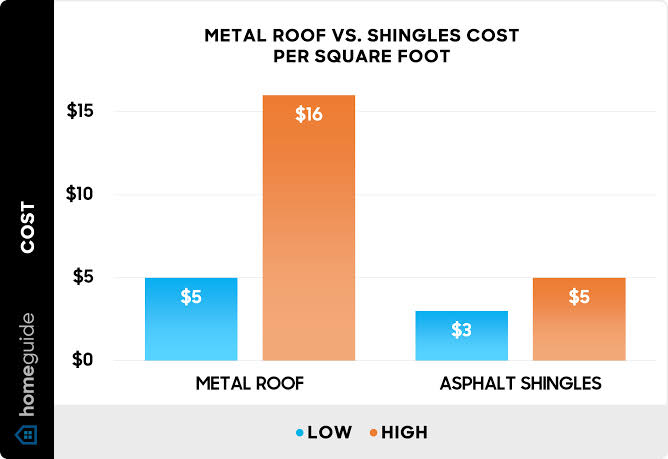
Replacing a roof is one of the most significant home improvement investments you will ever make. It protects your family, enhances curb appeal, and significantly impacts your property’s resale value. However, staring at a blank checkbook can be stressful if you don’t know what to expect. If you are asking, “How Much Does A Shingle Roof Cost Per Square Foot,” you are in the right place to find clear, actionable answers.
In this guide, we will break down the current market rates for 2026, explain the hidden factors that influence pricing, and help you avoid common budgeting pitfalls. Whether you are dealing with storm damage or simply upgrading an aging home, understanding these costs empowers you to negotiate better with contractors.
Understanding the Basics: What Is a “Square” in Roofing?
Before we dive into the dollar amounts, it is crucial to understand how roofing professionals measure area. In the construction industry, contractors do not typically quote by the individual square foot of your home’s footprint. Instead, they use a unit called a “roofing square.”
One roofing square equals 100 square feet of roof area.
This distinction is vital because your roof’s surface area is almost always larger than your home’s floor plan due to pitch, overhangs, and complex angles. When you see a price quoted as “$5.00 per square foot,” it usually refers to the actual surface area of the roof, not the ground floor. Always clarify this with your contractor to ensure you are comparing apples to apples.
Current Average Costs for Shingle Roofs in 2026
So, what is the bottom line? As of late 2026, the cost to install a new asphalt shingle roof varies based on quality and location. However, national averages provide a solid baseline for budgeting.
Breakdown by Material Type
Asphalt shingles remain the most popular choice in the United States due to their balance of affordability and durability. Here is the typical cost range per square foot (installed):
| Shingle Type | Cost Per Sq. Ft. (Installed) | Lifespan | Best For |
|---|---|---|---|
| 3-Tab Asphalt | $4.50 – $6.50 | 15–20 Years | Budget-conscious homeowners |
| Architectural | $6.50 – $9.50 | 25–30 Years | Most residential homes |
| Premium/Luxury | $9.50 – $14.00+ | 30–50 Years | High-end aesthetics & durability |
Note: These prices include materials, labor, underlayment, and basic disposal fees.
While 3-tab shingles are the cheapest option, architectural shingles (also known as dimensional shingles) have become the industry standard. They offer better wind resistance, a more textured look, and longer warranties, making them the best value for most US homeowners.
Key Factors That Influence Your Final Bill
If you receive two quotes that differ by thousands of dollars, it is rarely due to arbitrary pricing. Several specific variables drive the final cost. Understanding these will help you interpret your estimates accurately.
1. Roof Pitch and Complexity
A simple, low-pitch gable roof is the easiest and cheapest to install. However, if your home has multiple valleys, dormers, chimneys, or a steep pitch, labor costs increase significantly. Steep roofs require special safety equipment and more time to navigate, which drives up the labor portion of the bill.
2. Geographic Location
Labor rates and material availability vary wildly across the US. For instance, roofing in urban areas like New York City or San Francisco will naturally cost more due to higher operational costs and union labor standards compared to rural areas in the Midwest. Additionally, regions prone to hurricanes may require impact-resistant shingles, which carry a premium price tag.
3. Removal of Old Roofing
Does your quote include “tear-off”? Removing old shingles is labor-intensive and generates significant waste disposal fees. Most contractors charge between $1.00 and $2.50 per square foot just for removal and disposal. While some codes allow installing new shingles over old ones (overlay), this is generally discouraged as it hides potential deck damage and voids many manufacturer warranties.
4. Underlayment and Deck Repair
The shingles are only the visible part of the system. The water-resistant barrier underneath (underlayment) is critical. Synthetic underlayment costs more than traditional felt but offers superior protection. Furthermore, once the old roof is off, contractors may find rotten plywood decking. Replacing decking typically costs $75–$100 per sheet of plywood, an unexpected expense that should be accounted for in your contingency fund.
Labor vs. Materials: Where Does the Money Go?
A common misconception is that the shingles themselves are the most expensive part of the job. In reality, labor often accounts for 60% to 70% of the total project cost.
According to industry data, the material cost for standard architectural shingles might only be $2.50–$4.00 per square foot. The rest covers:
- Skilled labor wages
- Insurance and licensing
- Waste disposal dumpsters
- Equipment (cranes, nail guns, safety harnesses)
- Contractor overhead and profit margin
This is why hiring the cheapest bidder can be risky. Low bids often indicate cut corners on safety, insurance, or the quality of the underlayment and flashing materials.
Step-by-Step: How to Estimate Your Roof Cost
Want to get a rough idea before calling contractors? Follow these steps to create a preliminary budget.
- Measure Your Home’s Footprint: Measure the length and width of your home’s exterior walls. Multiply these to get the ground area.
- Adjust for Pitch: Use a pitch multiplier. For a moderate pitch (6/12), multiply your ground area by 1.12. For steeper roofs, the multiplier increases.
- Example: A 2,000 sq. ft. home with a moderate pitch has roughly 2,240 sq. ft. of roof area.
- Convert to Squares: Divide the total roof area by 100.
- 2,240 / 100 = 22.4 squares.
- Apply Average Cost: Multiply the number of squares by the average cost per square foot for your chosen shingle type.
- 22.4 squares x 100 sq. ft. x $7.50 (avg mid-range) = ~$16,800.
Remember, this is a rough estimate. Always add a 10–15% contingency for unexpected repairs or waste factors.
Why Quality Installation Matters More Than Shingle Brand
You can buy the most expensive luxury shingles on the market, but if they are installed incorrectly, they will fail prematurely. Proper installation involves correct nailing patterns, adequate ventilation, and precise flashing around penetrations like vents and chimneys.
For a deeper understanding of roofing materials and their historical development, you can refer to general construction resources such as Wikipedia’s entry on Roofing. This external source provides context on how modern asphalt shingles evolved from earlier organic materials, highlighting why today’s fiberglass-based mats offer superior fire resistance and durability.
Investing in a certified installer who follows manufacturer specifications ensures your warranty remains valid. Many major manufacturers now offer enhanced warranties that cover both materials and labor, but only if installed by their certified partners.
Frequently Asked Questions (FAQ)
1. Can I save money by installing shingles myself?
While DIY projects can save on labor, roofing is dangerous and technically complex. Mistakes in flashing or ventilation can lead to leaks that cause thousands of dollars in interior damage. Most manufacturers also void warranties if the roof is not installed by a certified professional. For most homeowners, the risk outweighs the savings.
2. How long does a shingle roof replacement take?
For an average-sized single-family home (20–30 squares), a professional crew can typically complete the job in 1 to 3 days. Weather conditions and the complexity of the roof design are the primary factors that can extend this timeline.
3. Is it cheaper to repair or replace my roof?
If less than 30% of your roof is damaged and it is under 15 years old, repairs may be cost-effective. However, if your roof is nearing the end of its lifespan or has widespread granule loss, replacement is more economical in the long run. Constant repairs add up quickly and do not address underlying deck issues.
4. Do insurance companies cover roof replacement?
Homeowners insurance typically covers roof replacement if the damage is caused by a sudden, covered peril such as hail, windstorms, or falling trees. They generally do not cover wear and tear or age-related deterioration. Check your policy’s “Actual Cash Value” vs. “Replacement Cost Value” clauses, as this significantly affects your payout.
5. What is the best time of year to replace a roof?
Late spring through early fall is the peak season, meaning prices may be higher due to demand. However, scheduling in the shoulder seasons (late fall or early spring) can sometimes yield better pricing and faster scheduling, provided the weather permits safe installation. Avoid winter installations in cold climates, as shingles become brittle and sealants may not adhere properly.
Conclusion
Knowing how much does a shingle roof cost per square foot is the first step toward a successful home improvement project. In 2026, you can expect to pay between $4.50 and $9.50 per square foot for a quality architectural shingle roof, depending on your location and roof complexity.
Remember, the lowest bid is not always the best value. Prioritize contractors with strong local reputations, proper insurance, and manufacturer certifications. A well-installed roof provides peace of mind and protects your biggest asset for decades to come.
Found this guide helpful? Share it with friends or neighbors who are planning their own home upgrades on social media! Let’s help everyone make informed decisions about their homes.
Leave a Reply