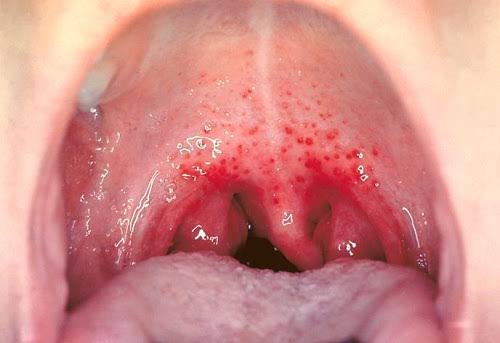
Have you ever taken a sip of hot coffee or bitten into a slice of pizza, only to feel a sharp, lingering sting on the top of your mouth? It is an uncomfortable sensation that can make eating, drinking, and even speaking difficult. If you are currently asking yourself, “Why is the roof of my mouth red and sore,” you are not alone. This common issue often stems from minor injuries or infections, but understanding the root cause is the first step toward finding relief.
In this guide, we will explore the most likely reasons for your discomfort, provide actionable home remedies, and help you determine when it is time to seek professional medical advice.
Common Causes: Why Does Your Palate Hurt?
The roof of your mouth, medically known as the palate, is sensitive tissue. When it becomes red and inflamed, it is usually a sign that your body is reacting to an irritant, injury, or infection. Let’s break down the most frequent culprits.
1. Thermal Burns (Pizza Palate)
This is arguably the most common reason for a sudden red and sore palate. Often referred to colloquially as “pizza palate,” this occurs when you consume food or beverages that are too hot.
- How it happens: The thin layer of mucous membrane on the hard palate is easily damaged by temperatures above 60°C (140°F).
- Symptoms: Immediate stinging, redness, and sometimes blistering or peeling skin a day later.
- Recovery: Minor burns typically heal within 3–7 days as the mouth has a rich blood supply that promotes rapid healing.
2. Abrasions from Hard Foods
Crunchy foods like tortilla chips, hard crusts, or candy can physically scratch the delicate tissue of the roof of your mouth. Unlike a burn, which is thermal damage, this is mechanical trauma. You might notice a specific spot that feels raw or tender to the touch of your tongue.
3. Canker Sores (Aphthous Ulcers)
While canker sores often appear on the inner cheeks or gums, they can also develop on the soft palate. These are small, shallow lesions that can be quite painful.
- Appearance: White or yellow center with a red border.
- Triggers: Stress, minor mouth injury, acidic foods, or vitamin deficiencies (B-12, zinc, folate).
- Duration: Usually heal on their own in one to two weeks.
4. Oral Thrush (Candidiasis)
Oral thrush is a fungal infection caused by an overgrowth of Candida alb yeast. It is more common in infants, the elderly, and individuals with weakened immune systems or those who use inhalers for asthma.
- Symptoms: Creamy white lesions that may bleed slightly when scraped, leaving a red, sore base. You might also experience a cotton-like feeling in your mouth or loss of taste.
- Treatment: Requires antifungal medication prescribed by a doctor.
5. Allergic Reactions
Food allergies or sensitivities to oral care products can cause inflammation. This condition, known as oral allergy syndrome, often occurs after eating certain raw fruits, vegetables, or nuts. Additionally, some people react to ingredients in toothpaste, such as sodium lauryl sulfate (SLS), leading to generalized redness and soreness.
Less Common but Serious Conditions
While most cases are benign, persistent redness and soreness can indicate underlying health issues.
| Condition | Key Symptoms | Action Required |
|---|---|---|
| Herpes Simplex (Cold Sores) | Clusters of blisters, fever, tingling before outbreak | Antiviral meds; highly contagious |
| Hand, Foot, and Mouth Disease | Sores in mouth, rash on hands/feet (common in kids) | Supportive care; usually viral |
| Oral Lichen Planus | Lacy white patches, red swollen tissues | Monitor; consult dentist if painful |
| Oral Cancer | Persistent sore > 2 weeks, lump, difficulty swallowing | Immediate medical evaluation |
According to the Centers for Disease Control and Prevention (CDC), maintaining good oral hygiene and regular dental check-ups are crucial for early detection of serious oral conditions. For more detailed information on oral diseases, you can refer to comprehensive resources like Wikipedia’s entry on Oral Medicine.
Immediate Relief: How to Soothe a Sore Palate
If you are dealing with a minor burn or abrasion, you can manage the pain at home. Here is a step-by-step approach to speeding up recovery.
Step 1: Cool It Down
Immediately after a burn, rinse your mouth with cold water. This helps lower the tissue temperature and reduces inflammation.
- Action: Sip ice-cold water or suck on an ice chip for 10–15 minutes.
- Avoid: Do not apply ice directly to the sore spot for extended periods, as this can cause further tissue damage.
Step 2: Salt Water Rinse
Salt water is a natural disinfectant and helps reduce swelling.
- Recipe: Mix 1/2 teaspoon of salt into 1 cup (240 ml) of warm water.
- Method: Swish gently for 30 seconds, then spit it out. Repeat 2–3 times a day.
- Note: Ensure the water is warm, not hot, to avoid aggravating the sore.
Step 3: Use Honey
Honey has natural antibacterial and wound-healing properties.
- Application: Apply a small amount of raw honey directly to the sore area. Let it sit for a few minutes before swallowing.
- Benefit: Creates a protective barrier and reduces pain.
Step 4: Over-the-Counter Remedies
For persistent pain, consider using oral gels containing benzocaine. These provide temporary numbing relief. However, use them sparingly and follow package instructions.
What to Avoid During Healing
To prevent further irritation, adjust your diet and habits while your palate heals.
- Spicy Foods: Chili, hot sauce, and peppery dishes will sting inflamed tissue.
- Acidic Foods: Citrus fruits (lemons, oranges), tomatoes, and vinegar can delay healing.
- Crunchy/Hard Foods: Avoid chips, nuts, and hard bread crusts that can scrape the sore.
- Alcohol and Tobacco: Both can dry out the mouth and irritate the mucous membranes, slowing down the healing process.
- Very Hot Beverages: Stick to lukewarm or cold drinks until the soreness subsides.
When to See a Doctor or Dentist
Most cases of a red and sore roof of the mouth resolve within a week. However, you should seek professional care if:
- The sore persists for more than two weeks. Any oral lesion that does not heal in this timeframe needs evaluation to rule out oral cancer.
- You have a high fever. This could indicate a systemic infection like strep throat or hand, foot, and mouth disease.
- You have difficulty swallowing or breathing. This is a medical emergency.
- White patches appear. If you suspect oral thrush, you will need prescription antifungal medication.
- The pain is severe and unmanageable with home remedies.
FAQ Section
1. Can stress cause the roof of my mouth to become sore?
Yes, indirectly. Stress weakens the immune system, making you more susceptible to canker sores and cold sores. Additionally, stress can lead to teeth grinding (bruxism), which may cause accidental trauma to the palate.
2. Is a red roof of the mouth a sign of dehydration?
Dehydration can cause dry mouth (xerostomia), which makes the tissues in your mouth more prone to irritation and infection. While dehydration itself doesn’t typically cause redness directly, the lack of saliva reduces the mouth’s natural cleaning and healing abilities, exacerbating other issues.
3. How long does a burned palate take to heal?
Minor first-degree burns usually heal within 3 to 7 days. More severe burns that involve blistering may take up to two weeks. Keeping the area clean and avoiding irritants speeds up the process.
4. Can toothpaste cause a sore roof of the mouth?
Yes. Some individuals are sensitive to ingredients like sodium lauryl sulfate (SLS), alcohol, or strong flavoring agents like cinnamon. Switching to a gentle, SLS-free toothpaste may resolve chronic irritation.
5. What is the difference between a canker sore and a cold sore?
Canker sores occur inside the mouth (including the palate) and are not contagious. Cold sores are caused by the herpes virus, usually appear on the lips or outside the mouth, and are highly contagious. While cold sores rarely appear on the hard palate, they can occur on the soft palate during primary infections.
Conclusion
Dealing with a red and sore roof of the mouth is uncomfortable, but in most cases, it is a temporary issue caused by minor burns, scratches, or common infections. By identifying the trigger—whether it’s that too-hot cup of coffee or a stressful week—you can take targeted steps to heal. Remember to keep your mouth clean, stay hydrated, and avoid irritants.
If your symptoms persist beyond two weeks or worsen, do not hesitate to consult a healthcare professional. Your oral health is a window into your overall well-being.
Found this guide helpful? Share it with friends and family on social media to help them find relief from their mouth pain too! Stay healthy and smile bright.
Leave a Reply